Episode 94: 2026 Archetypes-the Wheel of Fortune, the Magician + the Fire Horse

Happy New Year, friends!

It’s Angelica — your friendly neighborhood bruja, omen translator, and occasionally the woman staring at cards in the corner saying, “Huh… that’s interesting.”

Every year around this time, I like to step back and ask:

What stories are we walking into together?

Not predictions.
Not doom.
More like: archetypal weather.

In this week’s podcast, I’m exploring 2026 through three symbolic lenses that have been talking to each other in really beautiful ways:

  • the Tarot cards of the year

  • the Chinese zodiac’s Fire Horse

  • and Horse in the South from the shamanic medicine wheel I work with

Before we get mystical: none of this is fortune-telling. These are metaphors — ways of paying attention.

The Tarot of the Year

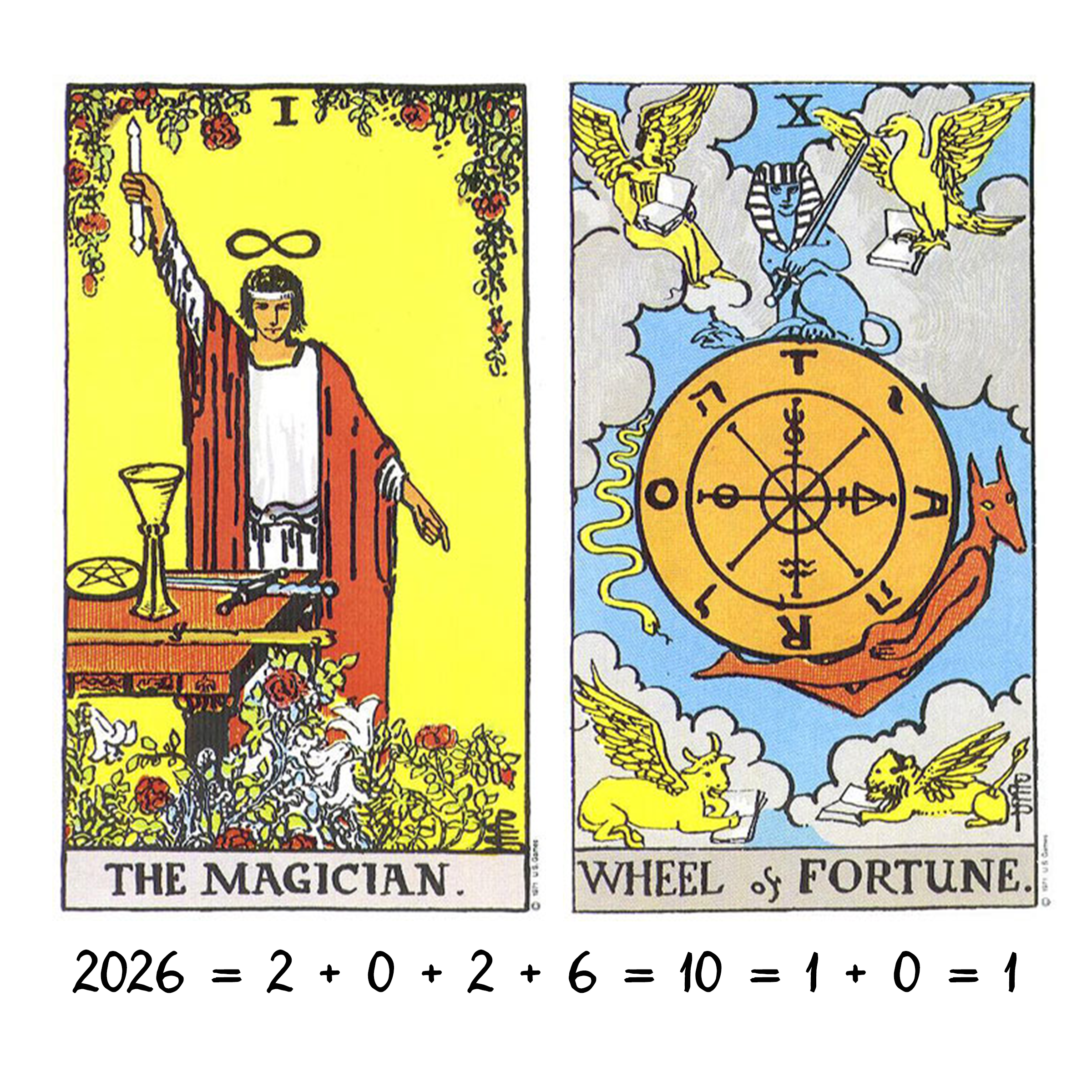
For 2026, we’re working with The Wheel of Fortune and The Magician.

The Wheel reminds us that change is not personal punishment. Life turns. Seasons shift. Doors open and close. Control is… well, overrated.

The Magician stands beside the Wheel and asks:

Okay — given what is, what can I create? What tools do I have? What can I do with integrity and intention?

We’re not passengers. But we’re also not the pilot of reality. We’re collaborators.

Enter: The Fire Horse

Then we add another archetype in the mix: 2026 is the Year of the Fire Horse.

I’m not teaching Chinese astrology here — I’m honoring it as symbolic language.

Horse is movement, boldness, independence, momentum. Fire adds creativity, courage, heat… and sometimes impatience.

Historically, Fire Horse has had a complicated (and honestly, patriarchal) reputation, especially regarding strong-willed girls and women. So we reclaim it differently:

Fire Horse is life-force that refuses to shrink.

And that, to me, is holy.

Horse in the South

In the shamanic framework I was taught, Horse lives in the South — the direction of Fire.

South is creativity. South is transformation. South is the power that moves through us — not the power we hoard.

Horse carries prayers. Horse carries messages. Horse carries energy between worlds.

Put all of this together and 2026 doesn’t feel chaotic.

It feels like a year where power wants to move — and where our work is learning how to carry it wisely.

Not burnout. Not martyrdom. Not control-freakery.

Steady, sovereign, creative fire.

In the episode, I share reflections, some humor, and practical ways to ride this energy instead of getting dragged behind it.

We talk pacing, ritual, creativity, nervous systems, and — importantly — how not to set everything on metaphorical fire.

Click to listen: 2026 Archetypes

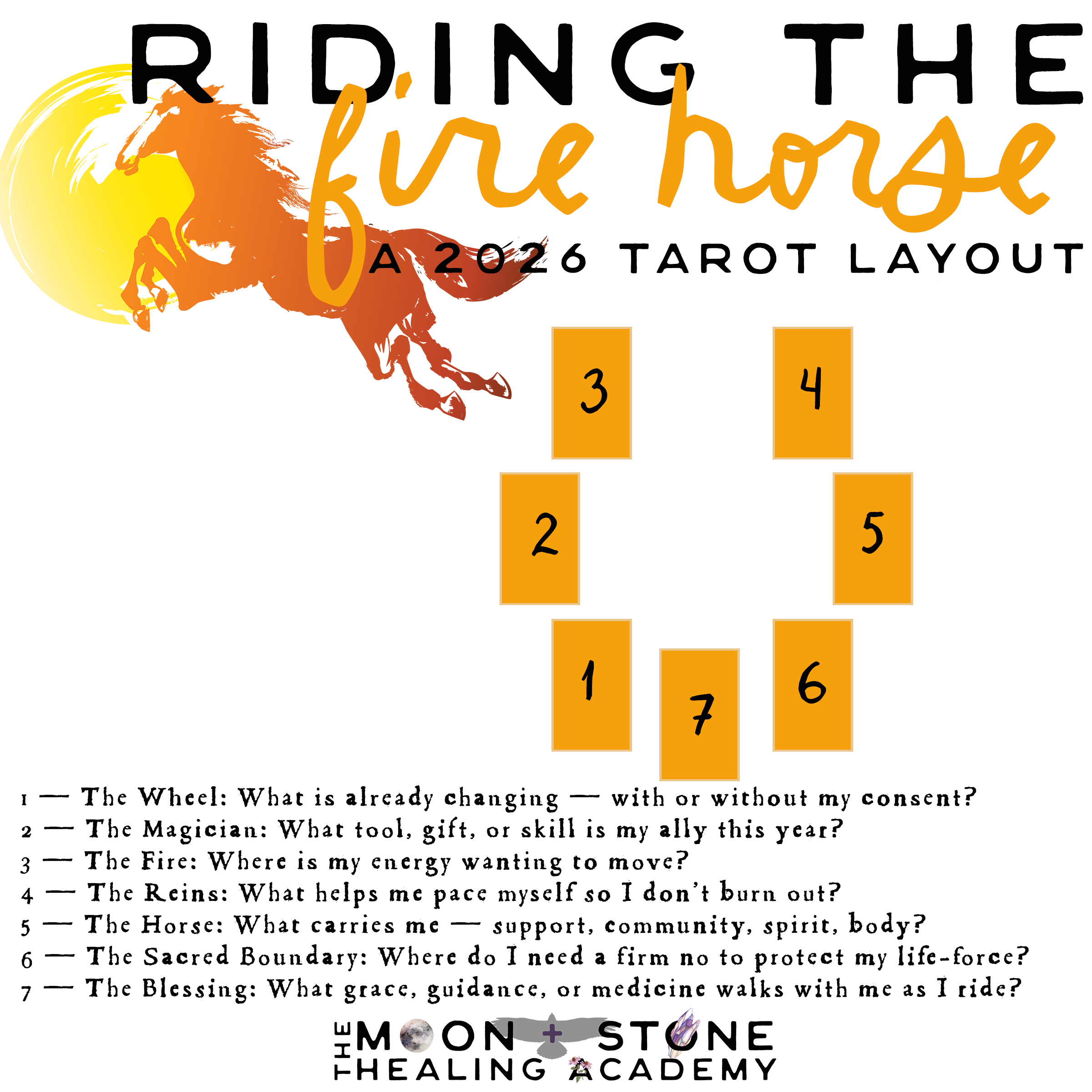
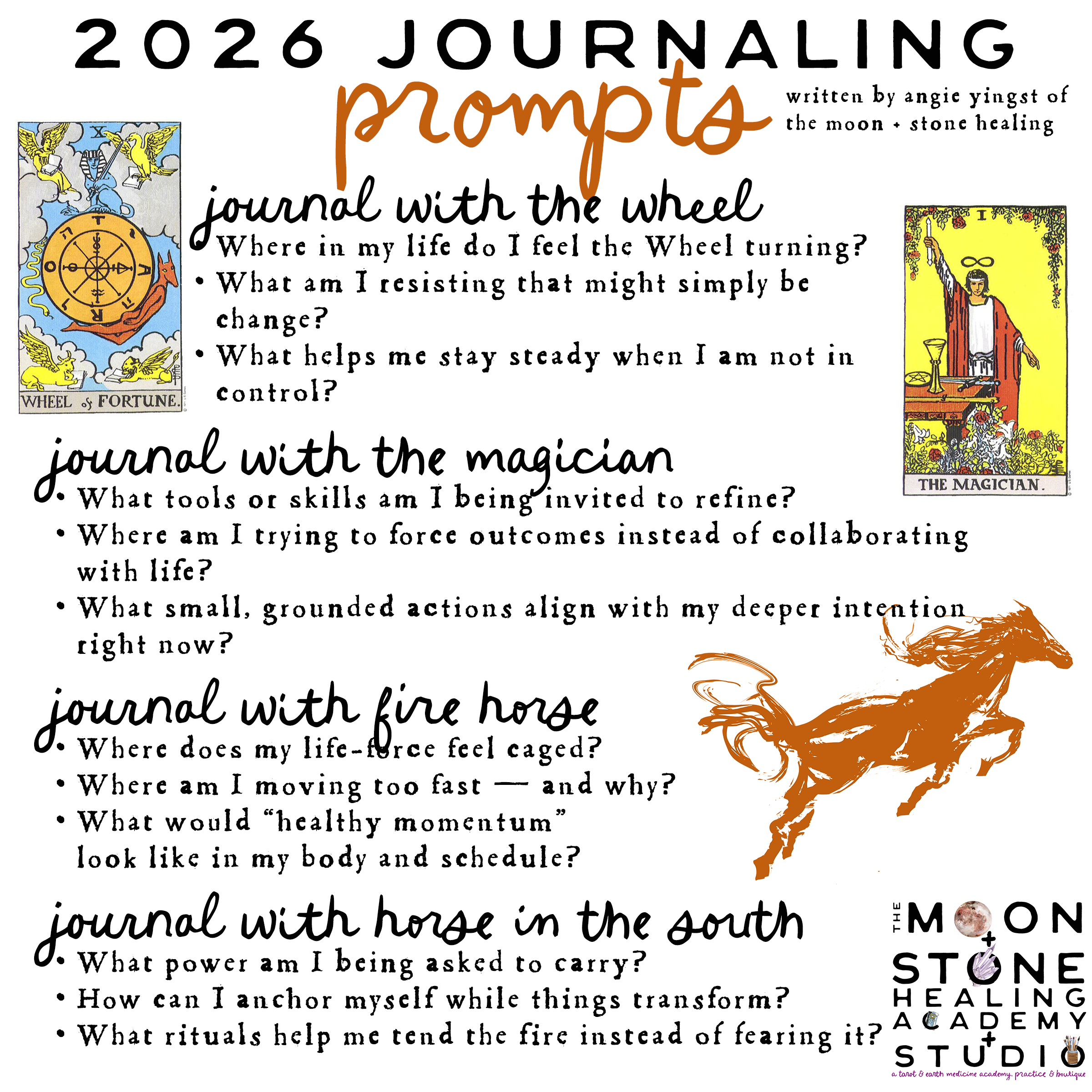
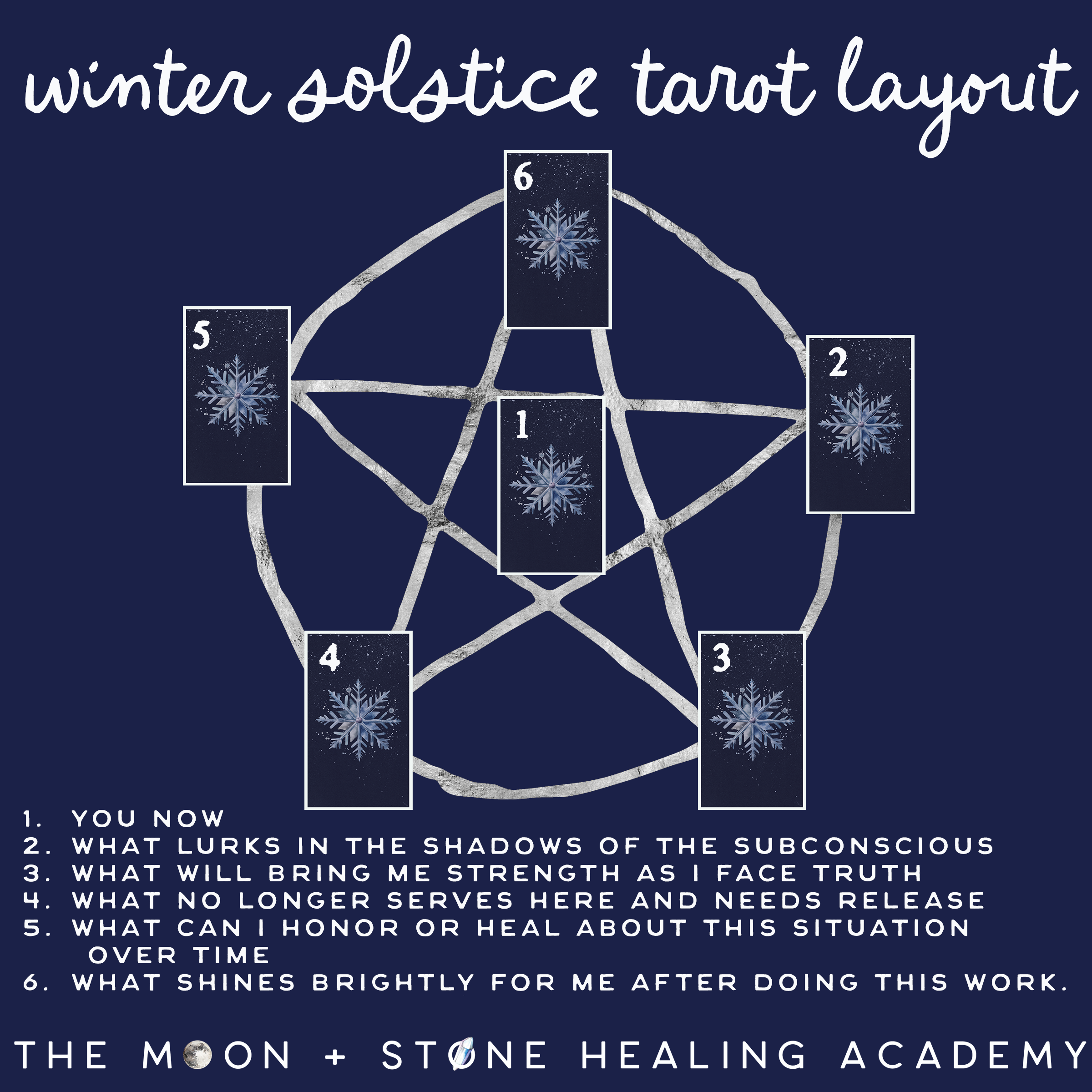
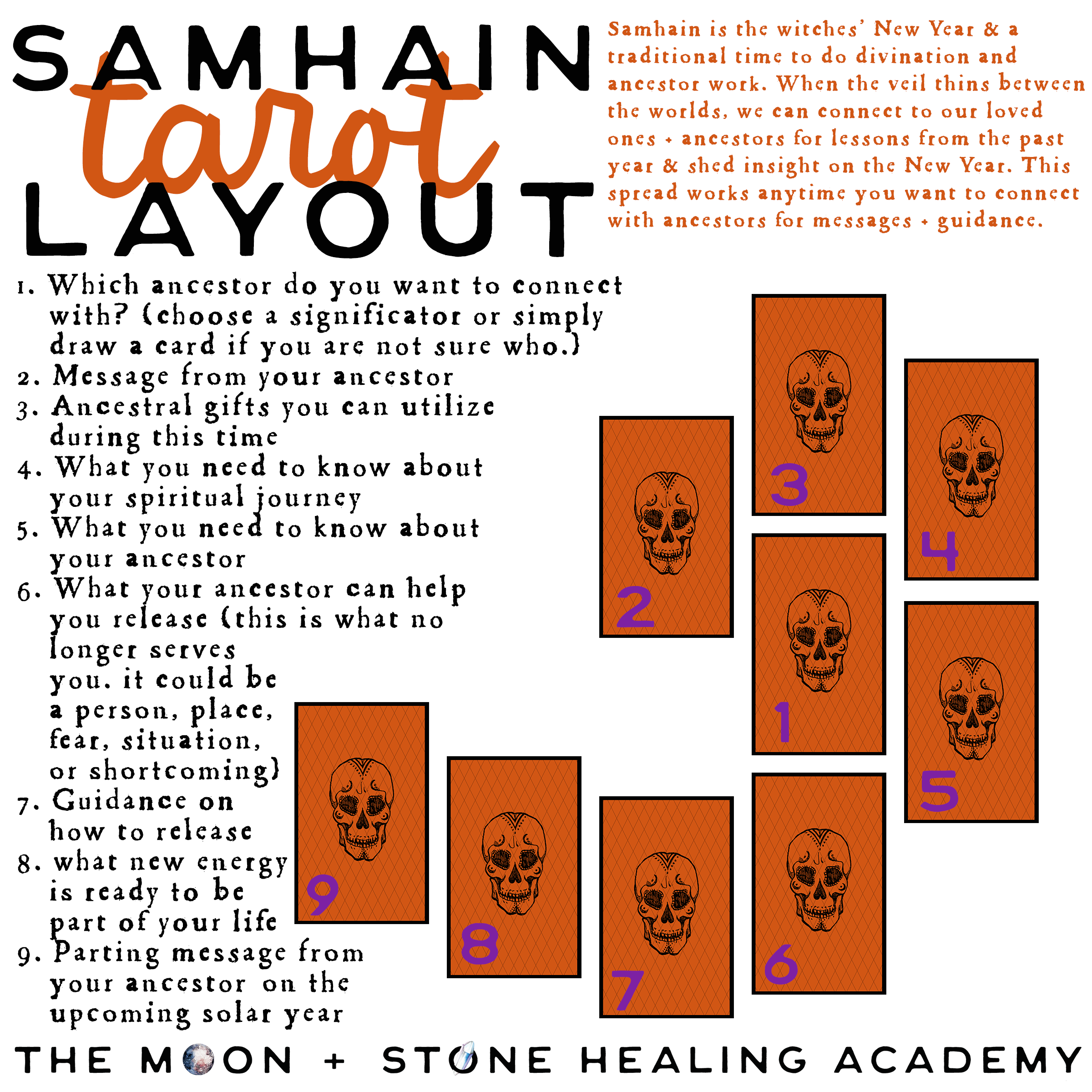
I also created some intersectional Journal Prompts and a Tarot Layout. (yes, it is shaped like a horseshoe for you!)

And as always, I’d love to hear what you’re noticing, dreaming, and working with. Comment on the blog or hit reply and tell me what’s moving for you.

With candles lit and horses unbridled — but gently,
Angelica

Episode 91: on grief, gratitude and the holy scream

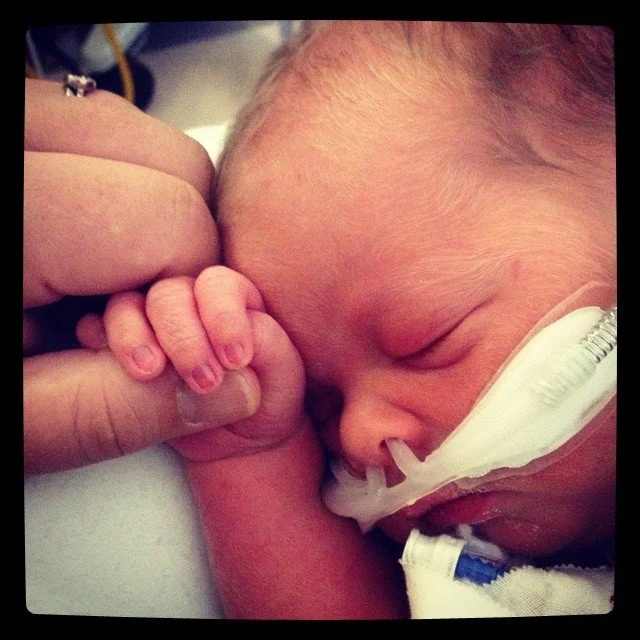
This week, I’m returning to the writings that shaped the earliest years of my healing after my daughter Lucia’s stillbirth in 2008. These three essays — one on the holy clearing power of the scream, one on the deep and complicated dance of gratitude during suffering, and one on the Buddhist tonglen practice — map my journey through grief, spiritual awakening, sobriety, and self-compassion.

These pieces were written from the raw center of my heart:

  • when I was newly grieving,

  • newly sober,

  • newly trying to exist inside a body again,

  • newly understanding what compassion actually means.

In this episode, I read:

1. “Scream, Baby” — written two years after my son Zachary’s birth and his time in the NICU, exploring pain, primal release, and the scream as an act of healing.

2. “Gratitude” — an essay confronting spiritual bypassing, toxic positivity, and what gratitude looks like when you’re grieving, not in spite of grief.

3. “Tonglen: A Meditation for When You’re in the Weeds” — a compassionate, trauma-informed exploration of the Buddhist practice that helped me breathe inside my pain instead of trying to outrun it.

Here is a brief (2 minute) meditation for those moments after you scream or when you feel stuck.

Here is a brief (4 minute) tonglen practice meditation:

If you’re grieving, healing, overwhelmed, or simply human — this episode is for you.


Here are some essential tonglen resources by Pema Chödrön:

 Additional Articles & Teachings on Tonglen

  • “Good Medicine For This World” – an article on Lion’s Roar that explores how Pema Chödrön and Alice Walker talk about tonglen. Lion’s Roar

  • “Tonglen: The Path of Transformation” by Pema Chödrön (via Nalanda Translation) – a practical guide for the practice. Nālandā Translation Committee

  • Wikipedia summary on tonglen’s origins, practice, and context. Wikipedia

Additional Writings on Tonglen

Love on Every Breath: Tonglen Meditation for Transforming Pain into Joy  – May 28, 2019 by Lama Palden Drolma 

Training the Mind: & Cultivating Loving-Kindness  Chögyam Trungpa

Bodhichitta: Practice for a Meaningful Life by Lama Zopa Rinpoche 

 Old Angie writing

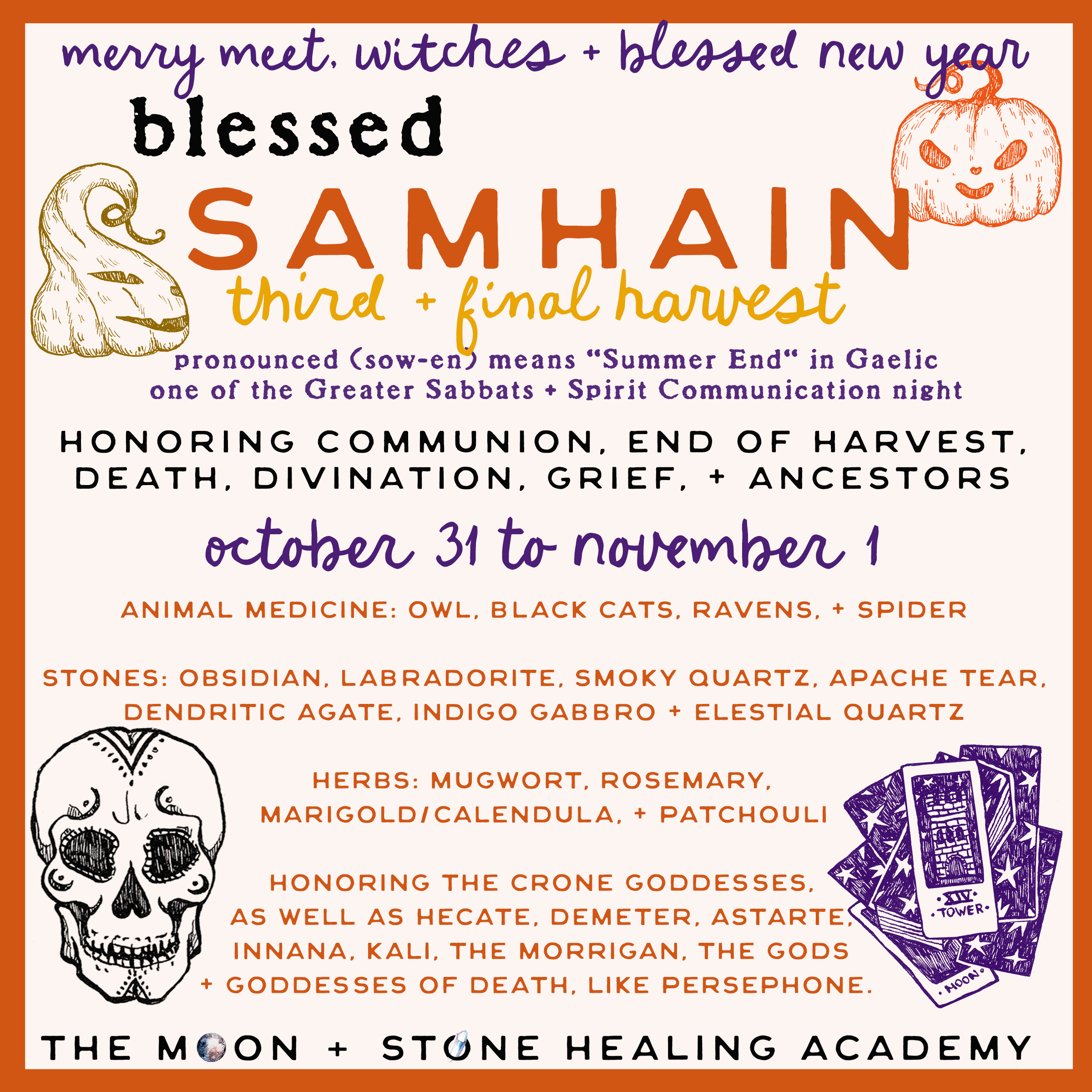
Episode 89: Re-post The History of Samhain, Halloween & the Days of the Dead

We’re going back to the roots of spooky season, my pretties. This re-post dives into the ancient fire festival of Samhain and how it shapeshifted into our modern celebration of Halloween. From Celtic bonfires to trick-or-treating, saints to spirits, and mummers to masks, we’ll explore how humans across the world honor their dead when the veil grows thin.

This one’s a listener favorite, so light a candle, pour a little cider for your ancestors, and let’s walk together between worlds.

#Samhain #HalloweenHistory #WheeloftheYear #PaganTraditions #HonoringtheDead #SpookySeason

Some sources:

⁠⁠Samhain. History Channel.⁠⁠

⁠⁠How the Early Catholic Church Christianized Halloween by Patrick Kiger⁠⁠

The Pagan Mysteries of Halloween. ⁠⁠JeanMarkale⁠⁠.Trick or Treat: A History of Halloween. ⁠⁠LisaMorton⁠⁠.⁠⁠The History of Halloween⁠⁠⁠⁠What's the Deal with Halloween? Everything Everywhere. ⁠⁠

⁠⁠The Origins of Trick or Treating History Channel.⁠⁠⁠⁠The History of Mummers.

Interested in being in circle with me, honoring the dead on Samhain?

I am hosting a distance ancestors cacao ceremony and guided shamanic journey. Connect with the ancestors and find healing in your ancestral line. It is a wonderful way to start doing the work of healing and honoring the agrarian calendar.

talking to the ancestors

Future Ancestors,

As I look out on my land, I hear my ancestors whispering in my ear.

We are always here.

I know this, and yes, I need their strength all the time.

I did this incredibly rich ancestors' journey with Vanessa Codorniu. at Alta View Wellness Center a few years ago. I talk about this every year, so forgive me if you have heard it before. During that experience, I was just open. I love Vanessa and trust her, so maybe that is why.

I had no agenda. I had no idea who would come forward, but I journeyed to Central America, where my family is from, and saw them all there. My mother’s Abuelita Isabel with the curly hair. My grandfather’s mother Maria, who was fully Native, with her hat and pipe. Then out of the jungle, my ancestors with Mayan noses and headdresses and painted skin. Sitting in front of all of them, Vanessa asked us to talk to them. And so I did.

I had so many questions, particularly about offering of cacao to my people, and how to carry the medicine of my ancestors to my clients now. But when I went to ask them that, what came out was, “Why am I so fat? Why can’t I lose weight? Why do I have autoimmune issues that limit me?”

I had a student once tell me she was annoyed in our circle because people’s intention setting was around losing weight, and “THAT IS NOT SPIRITUAL!” She was so indignant. In my head I said, “The fuck it isn’t.” As a woman, when you are raised to see your weight and beauty as your main worth and commodity, being thin is valuable; it was much more valuable than your mental or physical health—gaining weight becomes a catalyst for old wounds opening, the spiritual illnesses of self-loathing and non-existent self-worth. How do you grow spiritually when you hate yourself?

There were times in my life when I was too poor to afford to eat regularly. I often worked in restaurants, so I would be guaranteed one meal. Other times, I just starved myself because I thought I was too big, too loud, taking up too much space. My neurodivergent hyperactive self would just break into conversation without waiting for a pause (Interrupting is STILL something I’m working on!). I wanted to shrink myself and learn how to be quiet and small for real for real. I didn’t always want to say the thing, and then, like Cliff Clavin from Cheers, word diarrhea—"well, did you know that a vultures’ stomach acid is so strong with a pH of 1—that it can dissolve anthrax, botulism, and rabies bacteria, so they can safely eat rotting carcasses that would kill almost any other animal, essentially sanitizing the environment as they go…” Cue 15 minutes of watching someone zone out. Then at night, lying in bed, replaying the conversation where I was normal. Shrinking seemed right, so I would just try not to eat, and stay small.

Self-loathing is decidedly not spiritual. It is the antithesis of spiritual, especially when your entire job revolves around empowering people to their highest expression, to coaching them on how to do the work of radically and unconditionally accepting themselves, walking hand-in-hand with them on their spiritual journey. I have taken months and year-long breaks because the self-loathing is too rough, and it feels unethical to hold space for others when I am in such a deep state of depression and engaged in this personal work of self-acceptance and self-love. So, yeah, it’s spiritual work, people.

Dare I say it:

EVERYTHING IS SPIRITUAL WORK!!

(I apologize for screaming at you.)

Back to the journey, my ancestor stepped forward and said:

You are the answer to all the prayers and wishes of all your ancestors: May our children not be hungry. May they be fat and happy. You are the child who is no longer hungry. You have learned to eat and be nourished.

When we do ancestral healing, this is what we do. We dialogue with our ancestors. We reframe. We understand. We humanize. We integrate. We break patterns. We forgive. We allow their wounds to be our wisdom.

What prayer did you answer for your ancestors?

+ + + + +

A few years ago, my niece said to me, "We come from a long line of witches, right?" And I laughed. It depends on how you define witch. But yeah, we come from a long line of Bitches.

When I call in the ancestors before circle, I call in all the healers and mystics in my lineage. But I also come from a long line of storytelling artists and mystics, bawdy women with good heads on their shoulders, from cooks and musicians, teachers and writers. But the drunks are there too, the ones who acted badly. I have a great-grandmother who denied her own daughter because she cheated on her husband, and gave her daughter away, only to have her son bring the girl to the house as a date to a school dance. Fula, as they called her, looked exactly like her mother, a mirror for her sins. (You cannot make this shit up.) She still denied her and forbade her son from speaking to her. Later, all the children of my great-grandmother welcomed her into the family. Fula laughed a lot and came to every family function, but my great-grandmother never talked to her or acknowledged her existence. God, that is some awful behavior. But my great-grandmother played 9 instruments, and spoke five languages, and made people laugh all the time.

I have clients and students who say, “My ancestors were awful people. What do I do?” First of all, it isn’t just you. We all have ancestors who were awful people. Some in different ways, but that is when we do the work of looking at the legacy of awfulness in your family line. If you don’t know your family line or family stories, that is something else to look at. WHY? The legacy in your family is that they do not speak the stories. Maybe they even repeat patterns over and over because nothing is ever learned or grown from. How I work with my great-grandmother, who was lovely to some of her children, and awful to one, I say, “Thank you for letting me be able to see this and break the pattern of the bad mother. Thank you for allowing me to break the awfulness.” (Instead of awfulness, you can replace that with breaker of our family trauma, pain, abuse, addiction, victimhood, etc.) When we reframe our ancestors —putting them in their historical, trauma, and family context —we can find wisdom, even if it is learning from their sins. Sometimes the deep grief of lives not lived, or their actions, can move through us. We can cry for our family lineage. We can cry for their victims, for ourselves, if we were the victim or them as a victim and victimizer.** This ancestral work is about healing and releasing. We get to be the conduit for compassion, love, and grief if we feel the ancestral lineage hasn’t been compassionate or grieved enough. We get to acknowledge the awfulness of our ancestors, too.

But we transform grief into gratitude through this process. Not for having lost, but for them having lived at all. They brought you here, after all, they created people who created people who created you.

Our Ancestors —the good, the bad, and the ugly —have lessons for us because they were human. This is the medicina they bring forth—their humanness. And not that anyone wants my opinion on this, but this is the beauty and awe of the stories of Buddha and Jesus—their humanness existed, their flaws, their character defects and defaults, but still they sought to heal themselves, then others. They found a path of spirituality that helped them and passed it on. This is also the lessons of our ancestors—that they were human and had a story, which is now part of your DNA. (Epigenetics is a cool rabbit hole to go down)

+ + + + +

Beyond just dialogue with my ancestors, I also think about what it means to be a good ancestor.

How do we become an ancestor vs. just another people on the family tree who died?

Writer Layla Saad, whose podcast How to Become a Good Ancestor, prioritizes this concept, as is evidenced by her podcast title. Basically, she says we need to live and work in a way that intentionally creates a more just and liberated world for future generations. That’s the idea. We live in a way that thinks about the next generations, the earth, the future. We each have a role in the ongoing story of humanity. We focus more on making a positive impact, rather than on our personal achievement. And that doesn’t happen magically, it happens by us engaging in our own spiritual, mental, emotional and physical work, such as self-reflection and understanding one's own role in family systems. Being a good ancestor requires us to break patterns of suffering, not just in our personal lives, but the karmic and ancestral patterns we all fall into that keep our children in suffering and then suffering of our community, which means dismantling things like racism, sexism, ableism…other isms (In recovery, we say -ISM stand for I-Self-Me.) We take intentional action and live from a place of hope, rather than just hoping for the best.

+ + + + +

I create an altar for Día de los Muertos* in mid-October, when I begin to feel the ancestors pushing against me. I call them in. Ask for their help. It is not simply because I come from a culture that celebrates this holiday (though I do), but because I am a bereaved mother. And this American happy-happy culture does a lousy job of honoring the dead and grief.

Day of the Dead is one of those holidays that has grown more and more mainstream with non-Catholic, non-Latino people creating altars, painting their faces, hanging up decorated sugar skulls, and dancing into the night. That isn't happening because others want to become or appropriate another culture, but because we are all hungry to honor our dead. We want to celebrate our ancestors. We want to walk with death, rather than hide our grief and whisper to our dead in the still of the night. It is only in recent history that the dead were hidden away from us, or that we were protected from the dying, the dead, and grief. All cultures from Europe to Asia to Africa to the Americas honored the dead.

So Day of the Dead, I create a space for my ancestors and my predeceased ancestral daughter, hang a painting of her and me that I painted in the early days after her death, and another of my ancestors, the ones that whisper to me in my sessions. I put calaveras and bright colors all around the altar as well as food, water, flowers and candles. In my mother's native Panama, my family walks to the cemetery to have a meal with the dead. They decorate the graves and commune as a family.

Those weeks with my Día de los Muertos altar are not simply a time to grieve, but a time to celebrate life. When we honor our ancestors, we acknowledge the wisdom they have given to us in life and now in death.

It is easy to create an ofrenda, or altar. Place photos of your relatives and ancestors in the space that feels sacred. I often use the top of my bookshelf or an undisturbed space. My mother uses her kitchen windowsill, which I always love too. You can put a candle, offerings of food, or herbs. Place a skull or skeleton (if you love the morbidity of representing the dead) and flowers. It can be as simple or as elaborate as you want. And you don't have to do this only for the ancestors you feel closest to, but also for those whose lessons were deep and difficult. Do it for your peace. If you have no ancestors you want to honor, do it for an artist you admire (Frida, anyone?), or a musician who has passed over. The days of the dead are considered October 31, November 1, and November 2nd. On October 31, All Hallows Eve, it is said the souls of the children who have died come back through the altars to the angelitos. According to tradition, the gates of heaven are opened at midnight on October 31, and the spirits of children can rejoin their families for 24 hours. The spirits of adults can do the same on November 2. November 1 is All Saints Day, when the ascended ones, saints, martyrs, and the angels are honored.

+ + + + +

If you are looking for a guided way to honor the dead, join me on October 31st for Cacao Ceremony & Muertos journey. We will first partake in the sacred cacao, then move into a shamanic journey to connect with the dead—whether it is your passed-over parent or loved one, your grandparents, ancestors you never met, but want to connect with, or a famous artist, sacred figure, philosopher, thinker, or religious figure. Join me on Friday, October 31st for our circle.

Lots of bonuses with this one, including a how-to guide for your ofrenda, how to make a cup of cacao, how to bake pan muerto or sugar skulls, and of course, the healing work we do together in circle. Everything is recorded if you cannot attend live.

*You can read more about El Día de los Muertos at this History Channel link. Just a quick correction, though, we celebrate it in Panama and throughout Central America, so it is not only a Mexican holiday.

**In the Body Keeps Score by Bessel Van Der Kolk , he talks about how PTSD sufferers from the Vietnam War often recounted the trauma they inflicted on others as the trauma they could not heal, because there is no outlet for talking about the awful things they did that they were ashamed of. Just to get nerdy for a minute, the unique part of training for troops going to Vietnam was the way they trained soldiers to fire at object popping up. In previous wars, they trained more as target practice, but since researched showed that a majority of soldiers in WW2 and Korea just froze when confronted with an enemy, the military decided to train them to shoot at moving objects with no faces or human characteristics, so they would freeze less. In the end, there are men responding to movement with gunfire and casualties of civilians and children were so high.

Register for this healing circle by clicking this link

I hope to see you at the circle. Until then, enjoy this playlist I pulled together for Día de los Muertos.

+ + + + +

Have you worked with me?

I just want to humbly thank you for being part of my small business. Healing work, spiritual circles, coaching services, retreats, online classes and in-person classes, healing circles, and tarot readings are very personal experiences. Most of my clients, students, and workshop participants come from word of mouth. People love to hear about an actual experience with a healer or tarot reader.

I am looking for testimonials around my work as a shamanic earth medicine practitioner, retreat leader, tarot reader, teacher, healer, and circle keeper. Just share about what you have gotten out of an in-person or online class with me, a private one-on-one session or a group healing event you attended. If you belong to my membership group, I’d also love to hear and share your feedback about my monthly readings, shamanic journeys and FB group.

Fill the form below and share your feedback with me. If you don’t mind sharing your photo to showcase with your testimonial, awesome! (send via email at angie@themoonandstone.com) Otherwise, I will just share your words. If you had a less-than-ideal experience, I’d love to hear that too. All feedback informs how I adjust and change classes and offerings in the future. Here is the information I would love to have:

  1. Name: First Name and Last Name (But what you want to be referred to publicly)

  2. Email

  3. How have you worked with Angie?

  4. What was your experience like?

  5. Please share anything else you would like.

Click here to send me an email!


Be Here Now: The Peaceful Empowerment Works Show with Angie Yingst

It was such an honor to be invited as a guest onto Judy Forder and Janice Leonard’s podcast called Be Here Now: The Peaceful Empowerment Works Show. When Judy asked me what I want to talk about, I responded with I’ll talk about anything, but I am really passionate about turning your wounds into your medicine or maybe it is best to say, “Turning your Wounds into your Wisdom.” That might be an old Oprah quote. I don’t know. I have a sign saying that in my healing room, because I am so passionate about this.

Later Judy said she thought I meant something else, which is interesting, but I jumped right into it on the show. About how everything doesn’t necessarily happen for a reason, but we make meaning out of everything that happens. That is what humans do. That is what I do. And all that I have experienced in life brings me right back to connection with others, circles of humans holding and supporting each other, peace and love, and then ultimately, deep deep compassion.

In this episode, I talk about my beautiful daughter, Lucia Paz, born 12/22/2008, death date 12/21/2008. She was stillborn, but she was still born at 6lbs, 20”. Still my daughter. It was an emotional episode, but talking about my deepest wounds has always reminded me that where it led me in those dark days is light, connection, creativity, and ultimately service to others.

I can tell you so much about what I know and how I was trained to heal others, balance your chakras, bring awareness and wisdom to you in times of transition, but it always comes through my experiences—the death of my daughter, being an SA survivor, my recovery from alcoholism, my cancers and autoimmune challenges, my experiences as a compassionate, god- and earth-centered individual.

One thing I didn’t say, which I wanted to say is that I live the earth medicine path. This isn’t something I do once a month when I show up for a class. I don’t just offer lip service about what I talk about, I have a spiritual practice that is part of my life, that is active and activated every day. If I can offer anyone any advice about being a healer, it is this—we live this path. It is not an easy path, but it is a peaceful path, because we choose peace every day.

Centered Episode 86: Tarot Questions Answered by Angie

Have you ever wanted to know what Tarot really is—beyond the fortune-teller clichés and Hollywood mystique? In this Ask Me Anything episode, Angie is answering your most curious beginner questions about Tarot:

  • What even is Tarot—fortune telling, psychology, or something else?

  • What’s the deal with the “scary” cards like Death and the Devil?

  • Why would someone want to study Tarot instead of just getting the occasional reading?

  • How can Tarot actually support self-discovery, intuition, and spiritual growth?

Whether you’re brand new and just Tarot-curious, or you’ve had a deck sitting on your shelf collecting dust, this episode will give you a grounded, approachable introduction to the cards—and maybe inspire you to shuffle them up yourself.

Ready to learn Tarot with me? I’m opening the doors to my nine-week beginner course, The Complete Tarot (2025)—a step-by-step, Spirit-first approach to learning the cards, building confidence, and discovering your own Tarot voice. We start September 1st. Learn more and sign up here: ⁠The Complete Tarot 2025

Centered Episode 85: August's Astrology + Earth Medicine with Angie

In this episode, Angie—your cruise director through the cosmos and lover of lion-hearted wisdom—guides us through the astrology of August 2025, a month pulsing with retrogrades, portals, and a quiet kind of transformation.

With Mercury, Saturn, Neptune, Pluto, and Chiron all retrograde, the skies are asking us to slow down, look inward, and do the sacred work of integration. We're not meant to push forward this month—we’re meant to listen to the rumblings beneath the surface.

We explore the Lion’s Gate on 8/8, a potent spiritual portal of renewal and soul alignment, followed by an emotionally clarifying Aquarius Full Moon on 8/9. Mercury stations direct on 8/11, Venus conjoins Jupiter in Cancer, and by mid-month we’re pivoting toward Virgo’s grounded energy with a deeply healing New Moon at 0° Virgo on 8/23—our official threshold into Eclipse Season.

 Alongside the cosmic currents, we’re held by earth medicine:

  • Sunflower teaches us to follow the light, even when it's hidden—and to lean toward each other when we can't find it on our own.

  • Mountain Lion offers courage, presence, and sovereignty, especially in moments when we feel uncertain or unseen.

  • Peridot brings heart-cleansing, solar plexus-strengthening clarity—reminding us we don’t have to carry what’s not ours.

This month is about emotional recalibration, intuitive trust, and preparing the soil for the eclipses to come. Grab your peridot, light a candle for your inner mountain lion, and meet us in the sunflower field between fire and stillness.

Blessed Litha

Blessed Litha, or as I call it: Midsummer (a few days late)!

Celebrating another turn of the Wheel with Summer Solstice celebrations means gathering late into the night, burning the brush in a bonfire, releasing the shit in the way of an awesome harvest season. Some call it Midsummer, Summer Solstice or Litha or Leetha, as others pronounce it. I could not get a clear pronunciation of it. I found an Irish speaker who said Litha, but Wiccans will sometimes say Leetha. Ultimately, the word for the holiday comes from the Anglo-Saxon name for the month of June — Ǣrra-Līða. That essentially translates to “the first liða” — and July is effectively named “the second liða.”

I am holding an online healing circle and guided shamanic journey with dragon in honor of Midsummer! You can find more information here.