• home
    • about the moon + stone
    • who i am
    • angelica
    • path to here
    • pricing + value
    • training
    • testimonials
    • 1-on-1 offerings
    • how to choose an offering
    • what to expect
    • book an appointment
    • monthly membership
    • Members Only
    • centered podcast
    • policies
    • free lower world journey
    • boring stuff
  • blog
    • events
    • the Complete Tarot
    • Cycles
    • Healing Retreats
    • Holding Space + Ethics
    • Mentoring Circle History
    • Reiki
    • gift ideas
    • animal medicine
    • artwork
    • books
    • classes, workshops + events
    • crystals
    • gift certificates
    • handcrafted medicine
    • Jewelry
    • Membership
    • new products
    • the Moon + Stone Healing Zazzle Shop
    • recorded healing + tarot Sessions
    • recorded shamanic journeys
    • spellwork
    • tarot decks, tools + supplies
    • talisman + amulets
    • contact
    • subscribe
  • Sign In My Account
Menu

the moon + stone healing

4814 Jonestown Road, Lower Level
Harrisburg, PA 17109
717.770.9109
tarot, earth medicine + wisdom

Your Custom Text Here

the moon + stone healing

  • home
  • who i am
    • about the moon + stone
    • who i am
    • angelica
    • path to here
    • pricing + value
    • training
    • testimonials
  • offerings
    • 1-on-1 offerings
    • how to choose an offering
    • what to expect
    • book an appointment
    • monthly membership
    • Members Only
    • centered podcast
    • policies
    • free lower world journey
    • boring stuff
  • blog
  • events/classes
    • events
    • the Complete Tarot
    • Cycles
    • Healing Retreats
    • Holding Space + Ethics
    • Mentoring Circle History
    • Reiki
  • shop
    • gift ideas
    • animal medicine
    • artwork
    • books
    • classes, workshops + events
    • crystals
    • gift certificates
    • handcrafted medicine
    • Jewelry
    • Membership
    • new products
    • the Moon + Stone Healing Zazzle Shop
    • recorded healing + tarot Sessions
    • recorded shamanic journeys
    • spellwork
    • tarot decks, tools + supplies
    • talisman + amulets
  • contact
    • contact
    • subscribe
  • Sign In My Account

Earth Medicine for August

August 13, 2025 Angie Yingst

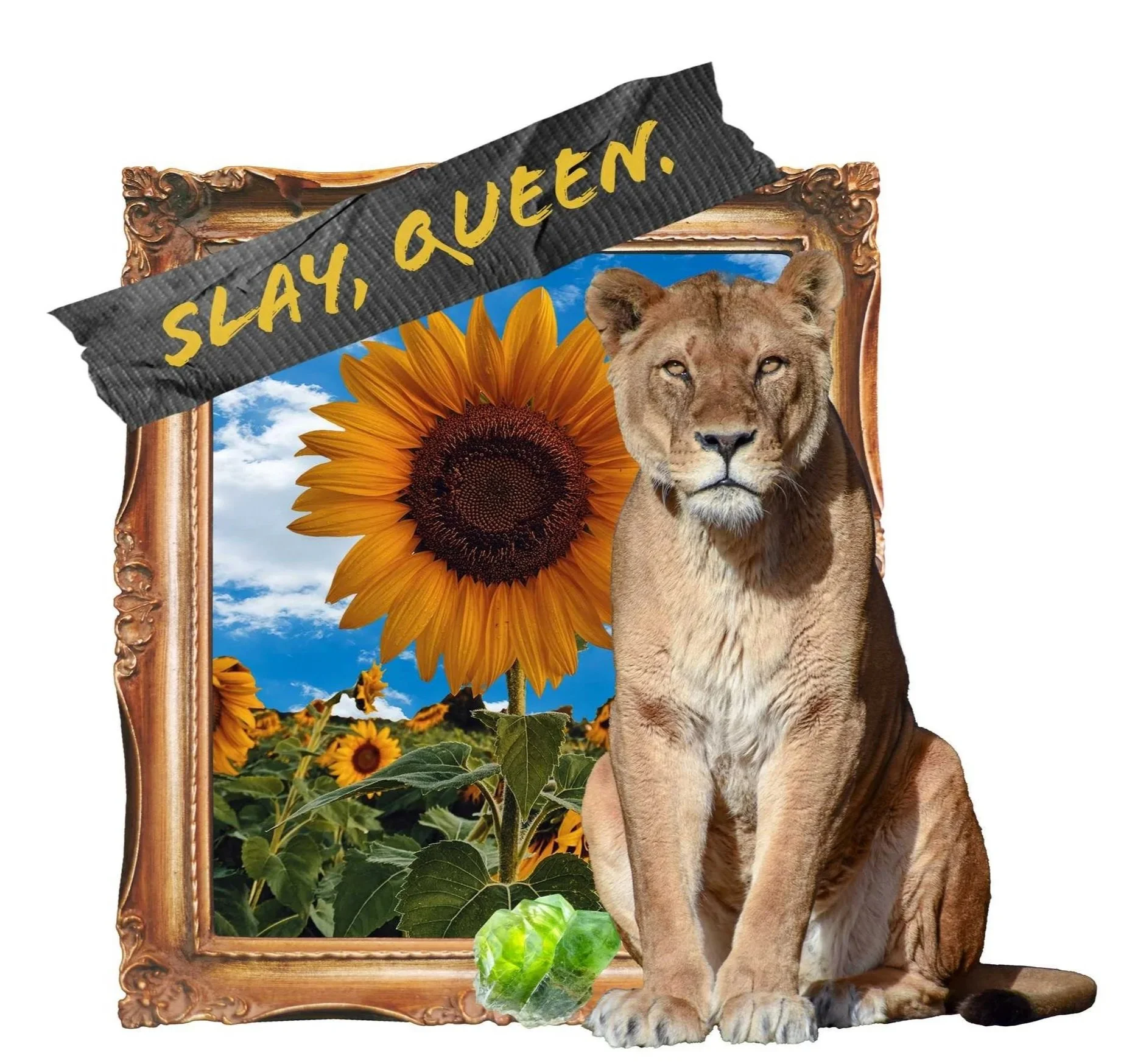
Slay, Queen. So, we are dealing with the Solar Queen Mountain Lion, and her fierceness, but really her ability to keep exquisite boundaries and use pride, not in the shadow aspect of that word, but in the ability to acknowledge what we are exceedingly good at and what we excel at.
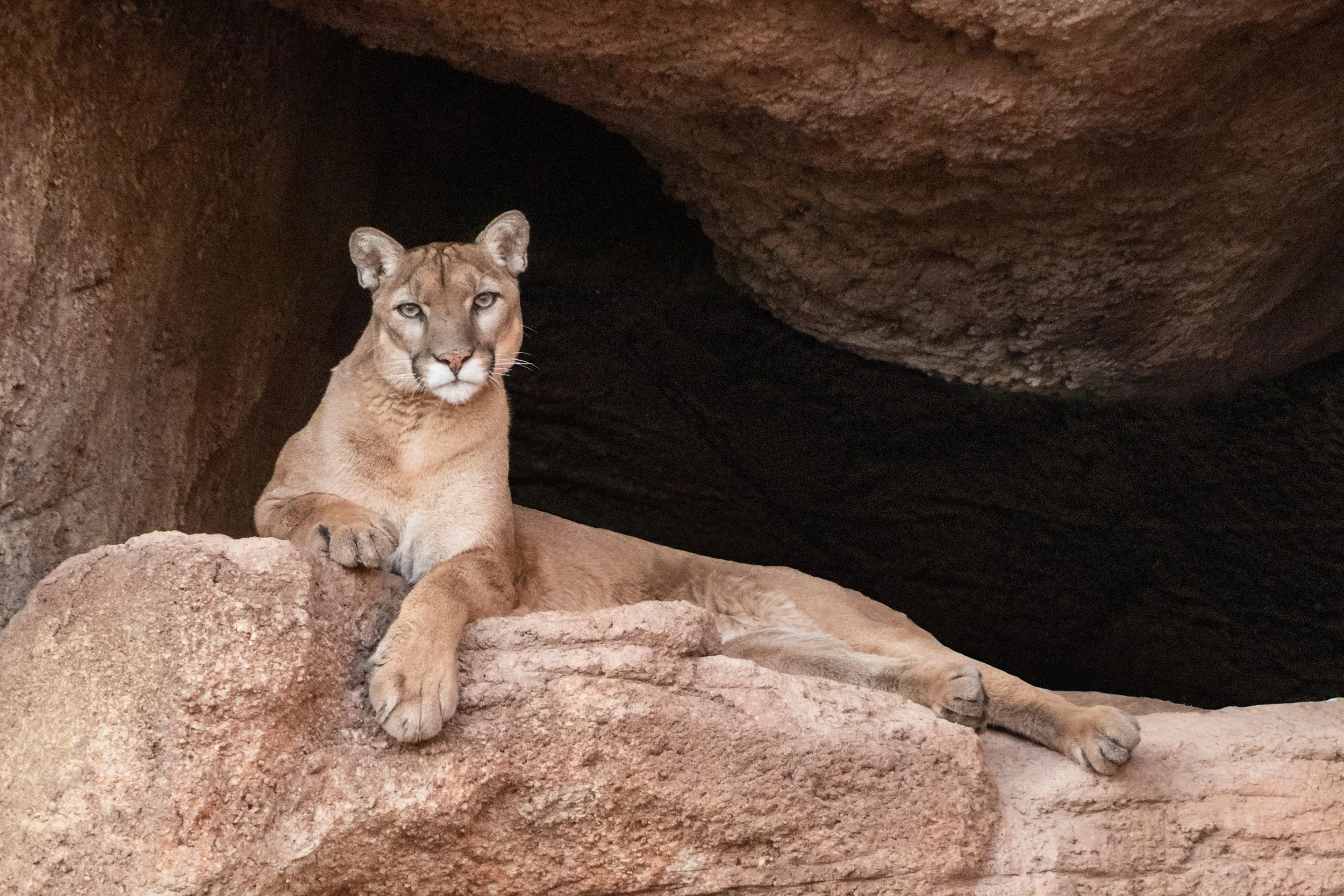
Mountain Lion has gone by many names—cougar, puma, mountain lion, panther, and so many more names. Cougar is the South American name, while Puma is Quechuan (spoken by the Incans, means Powerful). Early colonists in the Americas mistook the Cougar for a female lion. When they asked the Natives why they only brought the skin of the female lion, they relished the ignorance and told the white traders that the males lived in the distant mountains and were so fierce that no one would dare hunt them—hence the name Mountain Lion for the North American cougar. Cougar are one of the largest wild cats and likes to hunt in twilight, when it can stalk and ambush its prey unseen. This ghost-like quality led some tribes to believe the scream of the Cougar was an omen of witchcraft. The Seminole and Shawnees revered Cougar for its hunting skills. Often Cougar fetishes were carried for courage and to invoke power for themselves. The Pueblo used Cougar as its guardian of the North. In South American, Cougar is used as a bringer of abundance and wealth. Cusco Peru is designed in the shape of a cougar and is associated with the Incan Sky and Thunder God. Traditional Aztec shaman understood that Cougar possessed healing power and would use a sharpened Cougar bone to ward off death, or they would hang Cougar body parts over their patients.
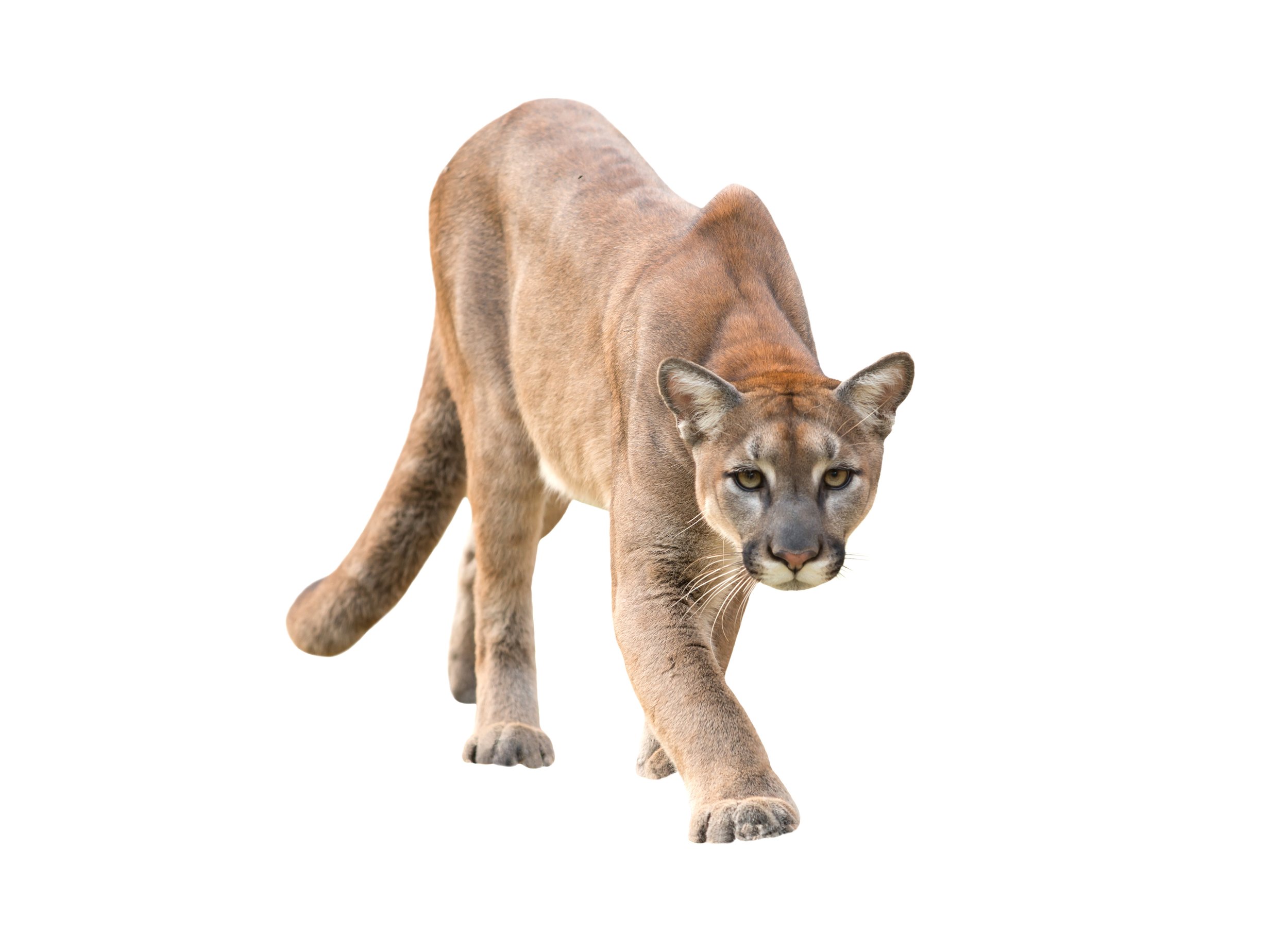
Cougar teaches us about power—how to step into our own power, how to handle power struggles from other people. Because Cougar is a solitary hunter, cougar teaches us to walk alone in our power and about our own strength—both when to display it and when to hold back. It stalks for a long time before it kills. It keeps watch. She is the boundaries keepers, as my teacher Pixie Lighthorse uses Mountain Lion, teaching us about honoring our boundaries and protecting ourselves. Cougar is territorial and carefully marks the area she patrols. By marking its boundaries, she walks confidently in the world. Cougar can act as a sentinel and you can call her in to stalk your own perimeter against attack.  She also is lovely at protecting what needs to stay inside—reminding you when you are misplacing anger, rage, disappointment, vulnerability and fears onto other people. Cougar invites you to start being an expert of you, stalking your intentions, watching for who is overstepping your boundaries, asking how and if your needs are getting met, or are you compromising them to play nice? Hint: cougars don’t play nice. Cougar can help us look at who we are giving our power to. Blaming others is an obstacle to your own authenticity. Feeling guilty or ashamed will also trip up the path.

Young cougars learn how to use their power through trial and error, which helps strengthen them and hone their skills. So, when working with Cougar, expect to think about the ways in which your boundaries and power has been violated as a means of learning. Cougar shows up when you are ready to assert your power and you have worked through that process.

Cougar doesn’t often come when your boundaries are small or simply about saying no. Cougar comes as an ally to asserting yourself. Many times when we start setting boundaries, the people around us who violated those boundaries feel uncomfortable and resistant to us. Cougar can help us continually stay in our power, even when we are being bullied to acquiesce to the status quo. Since not many like it when we change the rules to the game they are winning, use Cougar as an ally to help rewrite the rules. Cougar is unequivocally a leader, but because they are solitary, the “leadership” is not out there, but in the soul. Cougar asks you to decide who is in charge of you—your soul or your ego, humility or competition? Are you recognizing your own strength and determination. Are you determining your own fate?
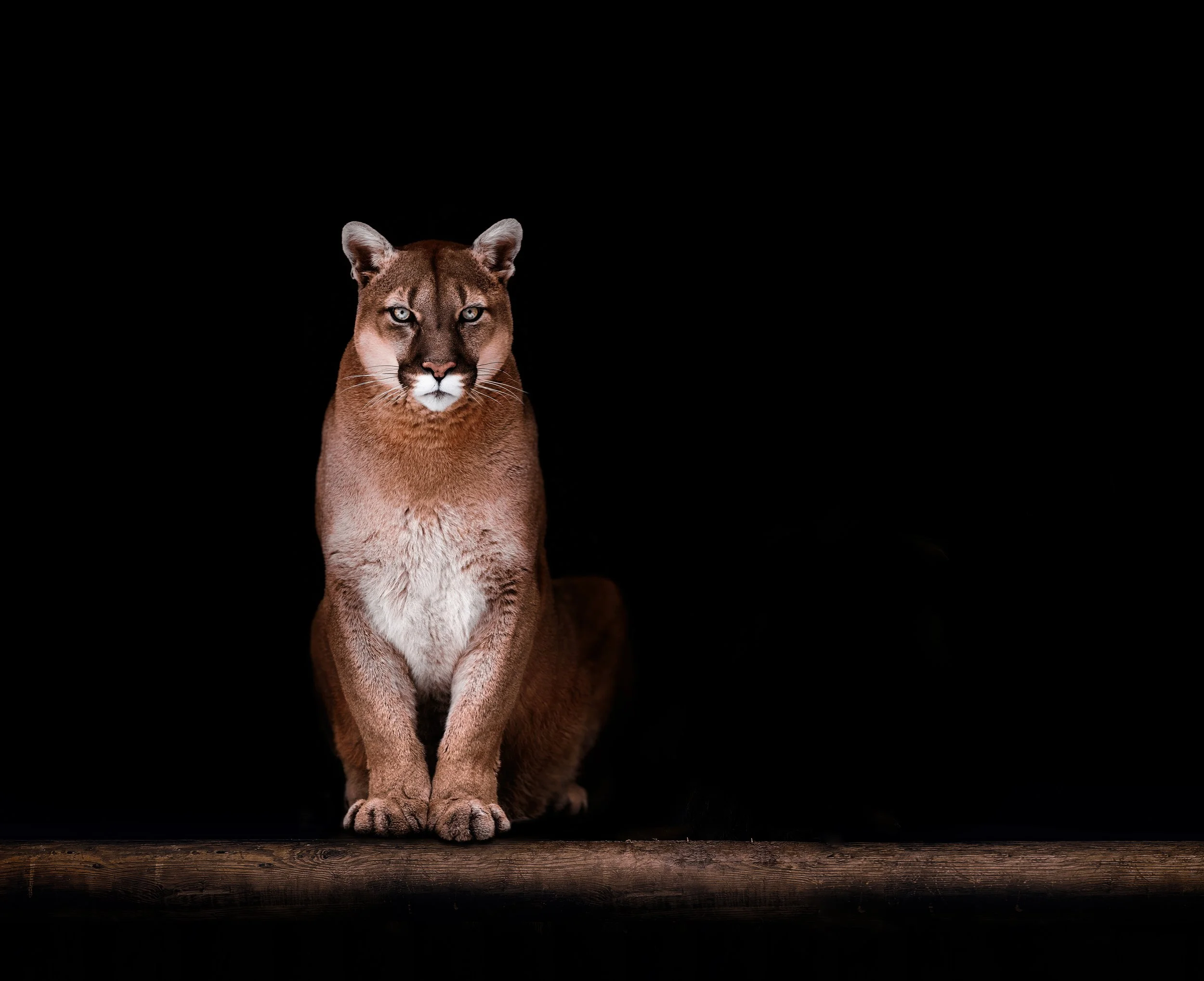
Cougar is fast and powerful and ask you to save and protect your energy and take action only when the time is right. But when cougar attacks, she is decisive and goes for the kill. The Mountain Lion is sometimes called the Solar Queen because she activates the Solar plexus. So, we will strengthen and work with Solar Plexus energy and working in the gut for intuitive guidance. I also like to use Cougar as a guardian and guide to the Lower World.

Angie Yingst · JourneywithMountainLion


Our other medicine this month is Peridot and Sunflower. Let’s start with Sunflower, which are blooming all over the dang place.
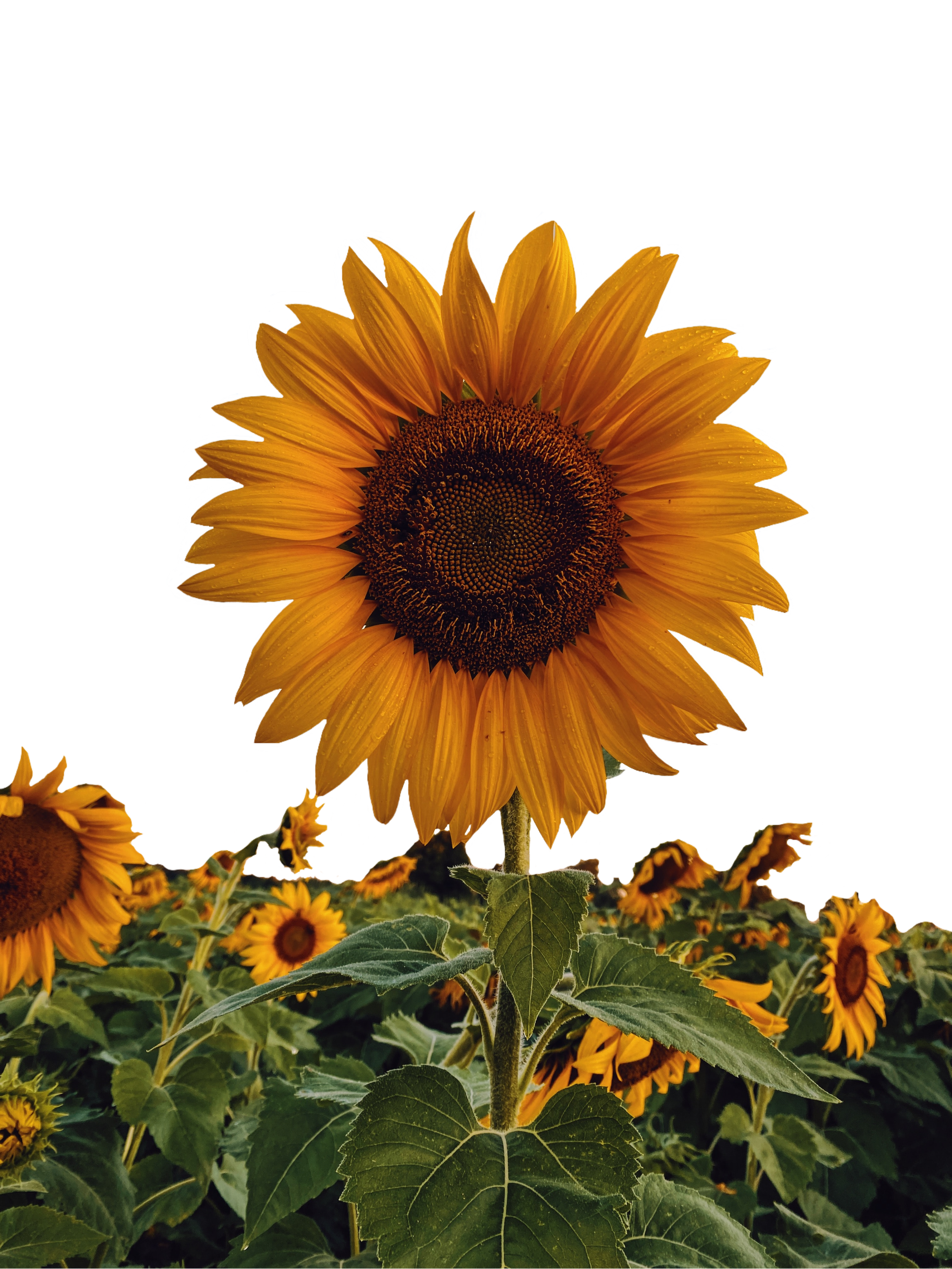
Sunflowers are a gift from this land—North American born, sun-kissed and soul-deep. Long before they became backyard staples or Instagram darlings, sunflowers were a staple of life for Indigenous peoples across what is now the Southwest. In places like Arizona and New Mexico, they were cultivated over 3,000 years ago not just for beauty, but for sustenance and healing. The seeds were ground into flour, mixed into grain blends, or eaten by the handful. Their oil—rich with skin-loving vitamin E—was used for cooking, skin, and hair care. Even the stalks were repurposed for building materials. Nothing wasted. Everything honored.

And that spirit of reciprocity? It still pulses through every golden spiral.

Physically, sunflower remains a generous ally. Its seeds are packed with calcium, magnesium, and vitamin E—a simple, joyful nourishment that feeds both body and nervous system. Its oil softens skin, soothes inflammation, and brings a little sun into every cell. Emotionally, sunflowers lift us. Literally. Studies—and everyday human experience—suggest that keeping sunflowers in the home can reduce anxiety, uplift mood, and ease feelings of depression. They turn their faces to the light. And when the light is hidden, they turn to each other. Isn’t that just the most tender thing?

Spiritually, the sunflower is a radiant teacher. Like little heliotropic saints, young sunflowers follow the sun across the sky each day. But beyond that celestial choreography is a deeper magic. The spiral of their seeds follows the Fibonacci sequence—nature’s sacred geometry—reminding us of infinite potential and perfect imperfection. We, too, are part of that same divine math.

In ritual, sunflower is potent solar magic. It carries the bold, bright energy of the Sun—life-giving, clarifying, unwavering. Place sunflowers on your altar to call in abundance, success, or simply the courage to shine. Use sunflower oil to anoint candles in prosperity spells, or blend it into bath rituals for confidence and joy. Dried petals tucked into a pouch can enhance intuition, bring psychic clarity, and help you reconnect to your inner light when things feel dim.

They also protect. Yes, these cheerful giants carry a quiet, ancient power. Hanging dried sunflowers above doorways can ward off negativity and invite in only what serves your growth. Their seeds, tucked into a charm bag, can anchor you in positivity and shield your spirit from the weight of others’ projections.

And emotionally? They are medicine for the heart. Gaze at a sunflower when you need to remember who you are. When you’re tired of hiding. When you’re unsure whether your joy matters. (It does.) Sunflower reminds us that blooming is not selfish—it’s sacred. The world needs your radiance.

In magical practice, sunflower helps with:

  • Manifestation – visualizing goals and holding them up to the light

  • Joy & positivity – especially when the weight of the world is too much

  • Divination – boosting intuition when used with tarot or dreamwork

  • Self-love & confidence – particularly in solar plexus energy healing

  • Protection & clarity – holding strong boundaries with warmth

And don’t forget: in the darkest of days, when the sun is nowhere to be found, sunflowers turn to each other. That, to me, is the real heart of this flower: community, resilience, and the quiet miracle of facing the light together.

You can work with sunflower in some practical, soulful ways in your spiritual, healing, and everyday life:

🌻 Practical & Magical Uses for Sunflower

1. Sunflower Tea (Petals or Leaves)
A gentle, uplifting herbal tea made from dried petals or young leaves.
✨ Use for:

  • Brightening low moods

  • Calming anxiety

  • Opening the heart and solar plexus chakras
    🌞 Add a bit of lemon or honey for extra solar magic.

2. Sunflower Oil (Infused or Cold-Pressed)
Use high-quality sunflower oil as a base for ritual blends or body care.
✨ Use for:

  • Anointing candles in abundance and confidence rituals

  • Moisturizing the skin with solar energy

  • Massage oil for self-love, especially around the belly and chest
    🌞 Infuse with calendula, orange peel, or cinnamon for a sun-charged boost.

3. Dried Petal Charm Bags or Spell Jars
Tuck dried sunflower petals into a small charm bag with a few sunflower seeds.
✨ Use for:

  • Joy, courage, and attracting good luck

  • Carrying in your bag for a little portable sunlight

  • Amplifying psychic clarity during tarot readings
    🌞 Add citrine, bay leaf, or a written affirmation for extra power.

4. Sunflower Seeds on Your Altar
Place a small bowl of seeds on your altar as an offering or intention-holder.
✨ Use for:

  • Manifestation spells (each seed holds potential)

  • Representing abundance and new beginnings

  • Feeding birds and squirrels as a devotional act of kindness
    🌞 Speak your wishes into the seeds before offering them.

5. Sunflower Petal Bath Soak
Add dried sunflower petals to a warm bath with Epsom salt and a few drops of sunflower oil.
✨ Use for:

  • Clearing energetic heaviness

  • Recharging your light when you feel dimmed

  • Ritual bathing on a Sunday or during a Leo moon
    🌞 Bring a yellow candle into the bathroom to call in solar guidance.

6. Sunflower Crown or Flower Offering
Weave a sunflower into a crown or place a fresh bloom on your ancestor altar.
✨ Use for:

  • Ceremonies of joy, transformation, or creative birth

  • Honoring solar deities or spirit guides

  • Reclaiming your radiance and celebrating your unique magic
    🌞 Especially powerful for summer solstice, Lammas, or Leo season.

7. Hanging Sunflowers for Protection
Hang a dried sunflower head near your front door or above a window.
✨ Use for:

  • Warding off negative energy or envy

  • Protecting your home with cheerful boundaries

  • Inviting warmth, peace, and light into your space
    🌞 Wrap with yellow ribbon or herbs like rosemary for added strength.

8. Spiral Meditation with Sunflower Seeds
Follow the spiral of a sunflower’s seed pattern during meditation.
✨ Use for:

  • Connecting to the cycles of life, death, and rebirth

  • Grounding in nature’s design and your place within it

  • Accessing deeper inner wisdom and trusting your path
    🌞 Journal afterward to record any insights or guidance.
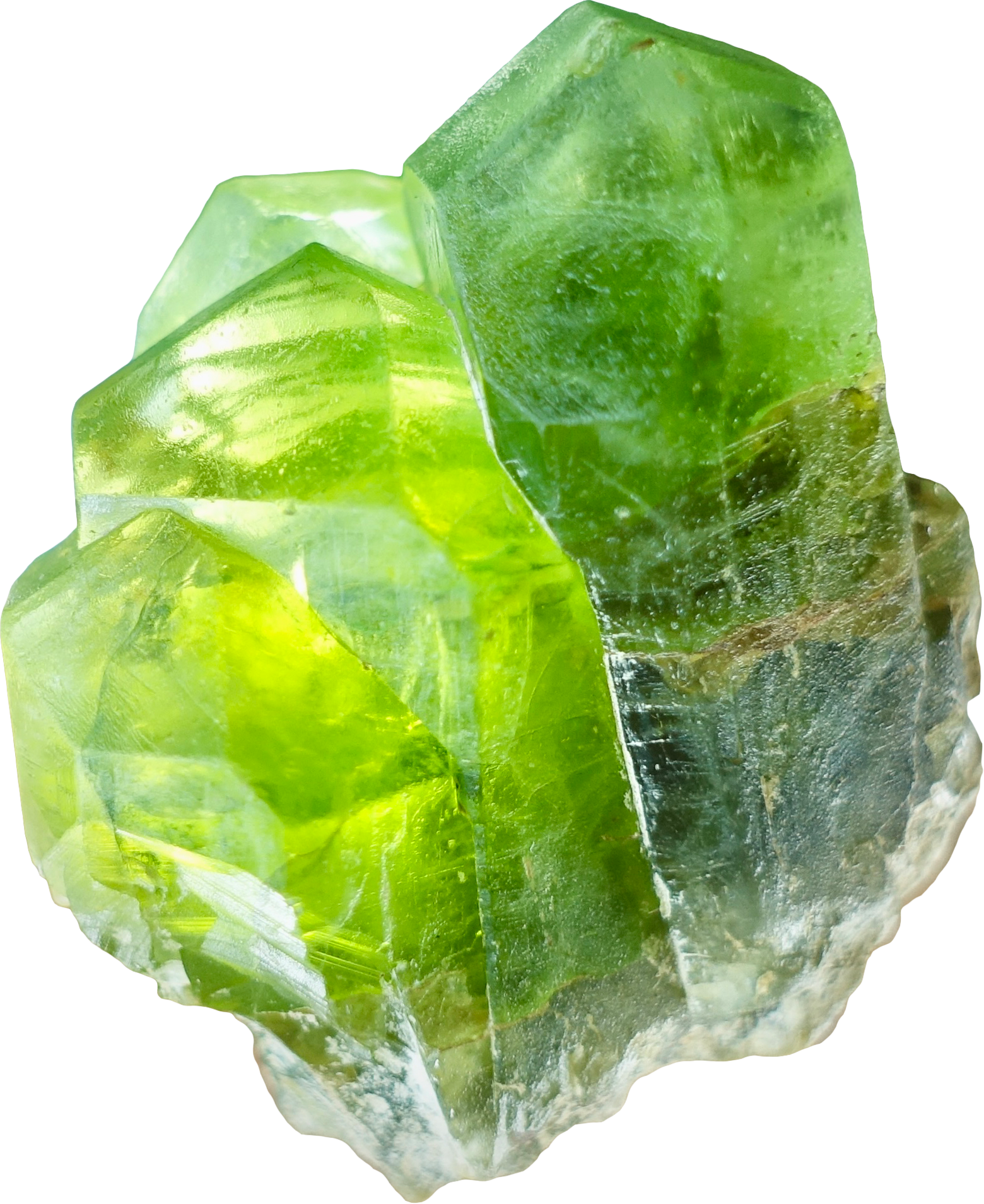
Now, Let’s talk about Peridot—an often forgotten ally in crystal healing. Peridot is used for clearing emotional heaviness and reconnecting to your true heart

Peridot is the gem-quality form of olivine, a mineral forged deep within the Earth’s mantle—way below where most crystals are born. It’s one of the only gemstones that forms not in the crust, but in the fire of the Earth’s belly, then gets pushed to the surface through volcanic activity. Literal lava child.

Even cooler? Peridot is one of only two gems that’s also found in meteorites—which means some of the peridot we’ve discovered on Earth didn’t come from Earth at all. Cosmic adoption.

Its signature chartreuse glow—somewhere between olive green and golden lime—comes from iron content. The higher the iron, the deeper the green. And unlike most crystals, peridot isn’t pleochroic. That means it doesn’t change color depending on the angle or light. It stays true. Just like its medicine.

🌿 Healing Work with Peridot

Peridot is a stone of the heart and the solar plexus, which is a rare combo. Most stones pick one chakra and stick with it. But peridot? She bridges power and softness. She’s for people learning to lead with love while still holding boundaries. For people reclaiming their voice without shutting down their heart.

Some emotional + energetic medicine of peridot:

  • Releases old emotional baggage – especially guilt, shame, and resentment. Think of it like spiritual composting.

  • Clears the heart – helps with jealousy, bitterness, or grief that’s hardened into armor.

  • Empowers the solar plexus – helping you stand in your truth, in your enoughness, without needing approval.

  • Invites growth and renewal – especially after long, dark seasons. Peridot says: You can rise again, and this time, softer.

Working with peridot in healing sessions or ritual can be especially potent when you're…

  • Calling your energy back from past relationships

  • Healing the inner child around receiving love

  • Breaking ancestral cycles of emotional suppression or martyrdom

  • Rebuilding self-trust after burnout or betrayal

  • Tending the nervous system after a period of chronic hypervigilance

You can lay it over the heart or solar plexus in energy work, wear it over your chest, or just hold it during journaling or prayer. It also works beautifully with breathwork or toning (especially low hums that vibrate in the belly).

🔮 Peridot in Spiritual & Magical Work

Spiritually, peridot is a cleanser and light-bringer. It’s associated with:

  • The Sun – bringing life force, joy, and clarity

  • The element of Fire and Earth – grounding transformation

  • The planet Mercury – communication and thought (it’s also August’s birthstone!)

  • The sign of Leo – courage, radiance, and openhearted presence

In magical and intuitive work, peridot can be used to:

  • Protect the aura from emotional vampires and energy leaks

  • Enhance clairvoyance and psychic boundaries—it helps you see clearly without absorbing others’ stuff

  • Open the path to abundance—especially when your blocks are emotional or karmic

  • Align with solar deities or cosmic consciousness—great for channeling or solar plexus invocations

Because of its cosmic connections (hello, meteorites!), peridot also links us to star energy, making it a bridge for working with starseeds, galactic healing guides, or cosmic ancestry.

It’s also excellent for empaths who want to stay open and protected—not armored, but sovereign.

🌞 Final Notes for the Heart

Peridot is like a personal solar flare for the soul. Not in an overwhelming way, but in a gentle reawakening kind of way. Like sunlight on closed eyes. Like coming home to a version of yourself you’d forgotten existed.

She says:

You don’t have to earn your radiance.
You don’t have to hide your fire.
You don’t have to carry what’s not yours.

Just exhale. Let it go.

Let your heart glow green-gold.

In earth medicine, animal medicine Tags earth medicine, peridot, sunflower, mountain lion
Comment

Earth Medicine for May

May 25, 2025 Angie Yingst

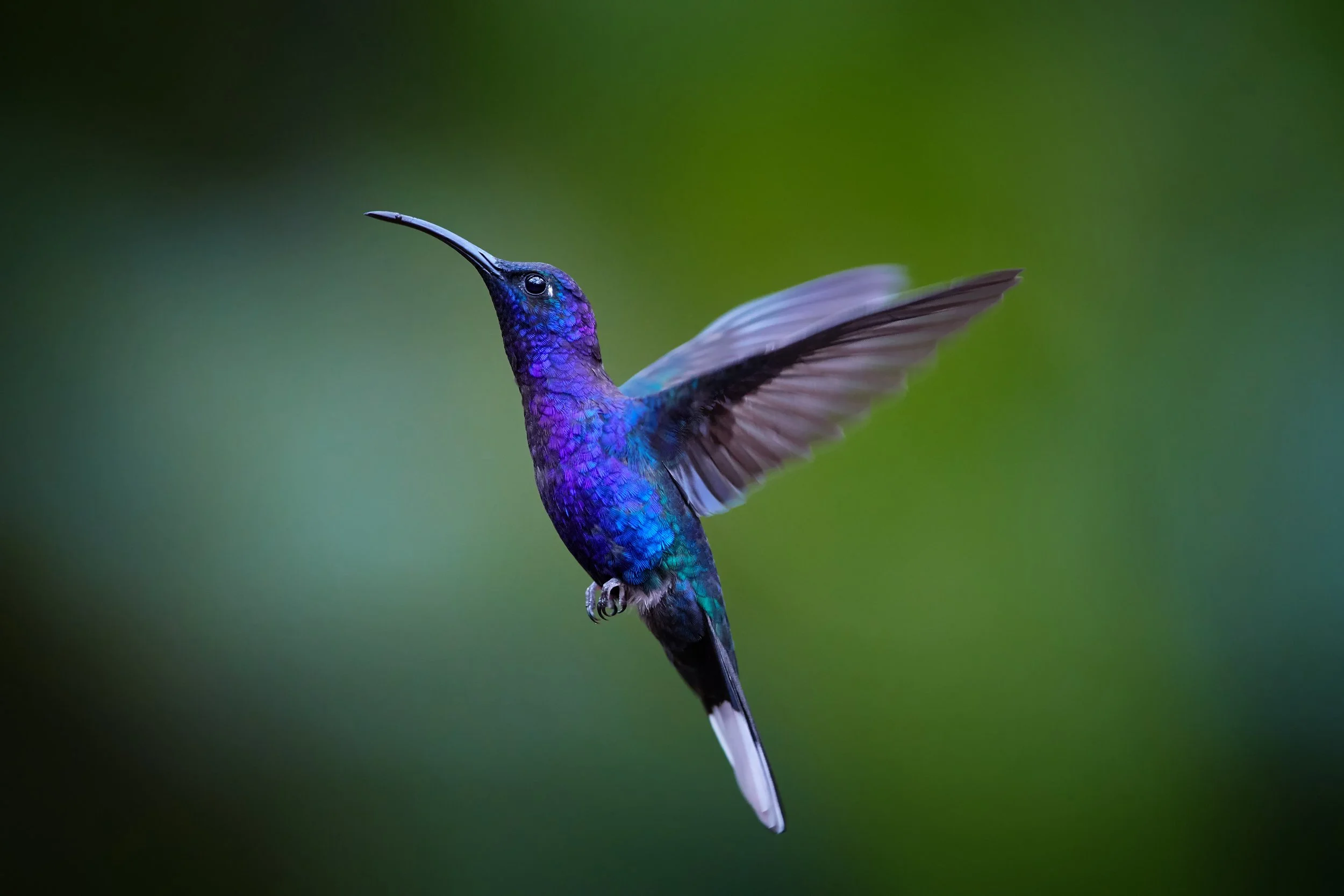
Our medicine of the month is about Drinking up life and we go on that journey with Hummingbird. Beltane’s journey on May 1st was led with three separate pollinators, and I think the message carries all month that we take in joy, nourishment, kindness, love, when we find it, and by doing that, seeking each moment of joy, we spread light, and remember when we spread light to one person, it pollinates them, and they can bloom. But it starts with us nourishing ourselves. As I said in the membership group, do no harm, but take no shit…this is the work on now. Hold boundaries but still be sweet.

HUMMINGBIRD

Let’s talk about hummingbird medicine. There are over 300 species of Hummingbird, and they are only found in the Americas.

Though she be tiny, the Hummingbird has much medicine to share with us. Hummingbird has an incredible memory, remembering every flower she visits and the intricate routes to return to them. She also knows just how long to wait for a flower to generate more nectar, so it can return to feed. Hummingbirds also recognize humans and knows who refills bird feeders and who doesn’t.

This is essential for their survival, as their constantly humming wings never stop, making their wisdom one of constant motion and quickness. Because they never stop flapping their wings, they need to eat every ten minutes, with a fast metabolism. Hummingbird brings a joyous energy to their environment, bearing light in their iridescent wings and energy.

Hummingbird travels more than 2000 miles in a single migration, beating its wings up to 5400 times per minutes so travel at speeds of 33 mph. But they don’t fly only in one direction. Hummingbird are extremely adaptable because they can hover, fly up, down, backwards and forwards…making them a beautiful ally of those who tap into the multidimensional universe. Hummingbird is seen as the medicine of the present, of joy, of playfulness, of happiness, of action, and of endurance. They are the bringers of light and the sacred.

Because Hummingbird is native to the Americas, but most specifically to South America, you find many legends of Hummingbird through the Aztec, Maya, and Inca. Mayan legends explain that the reason Hummingbird is so tiny is because it was created out of the scraps of feathers left over when other flying creatures were made. In both Mayan and Incan traditions, Hummingbird is the representative of the North and the ability to guide us to our ancestors. Hummingbird is known to accompany shamans to the Three Worlds, Upper, Middle and Lower, during the journeying process and also regarded as a psychopomp, or one who guides souls to the afterlife. Hummingbird is also a retriever of lost souls because it can fly quickly into small spaces and bring back the soul undetected. In many traditions, Hummingbird carried the prayers to the Gods, whispering on the wind the requests and gratitude of the shaman, and teaching the people to “drink deeply from the nectar of life”.

In some Peruvian shamanic traditions, the Royal Hummingbird is known as Siwar Q’enti in the Quechua language, the language of the Incan Empire. Hummingbird is one of the most important archetypal creatures, known for its ability to fly in many directions:  up, down, backward, forward, and also to stay hovering in place.  Maybe for that reason, Siwar Q’enti is also invoked during the calling in of the North direction during some shamanic opening ceremonies, “whispering to us in the winds” and “teaching us to drink deeply from the nectar of life.”

Don Oscar Miro-Quesada says “Hummingbird medicine takes our nectar and cross pollinates us with the universe so that we are always connected to the great web of life. When we call forth the energies of Royal Hummingbird, we open to a profound relationship that gives us the ability to weave the beauty, peace and lightness of the heavenly realm into our everyday for a greater sense of love, gentleness and service in our lives.”  This tiny iridescent bird packs a huge amount of energy, darting tirelessly from flower to flower in search of nectar. She is full of life, energy, and bravery.  Hummingbirds can teach us how to use flowers for healing and work with plant medicine. She also helps us relearn how to honor our body and reembody our body after trauma or illness. She is a symbol of healing and abundance.

Interested in working with hummingbird a little more intensely? Take this guided shamanic journey with hummingbird.

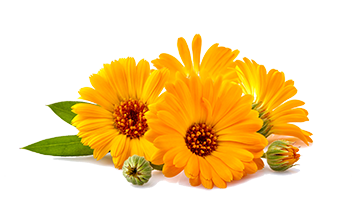
Calendula

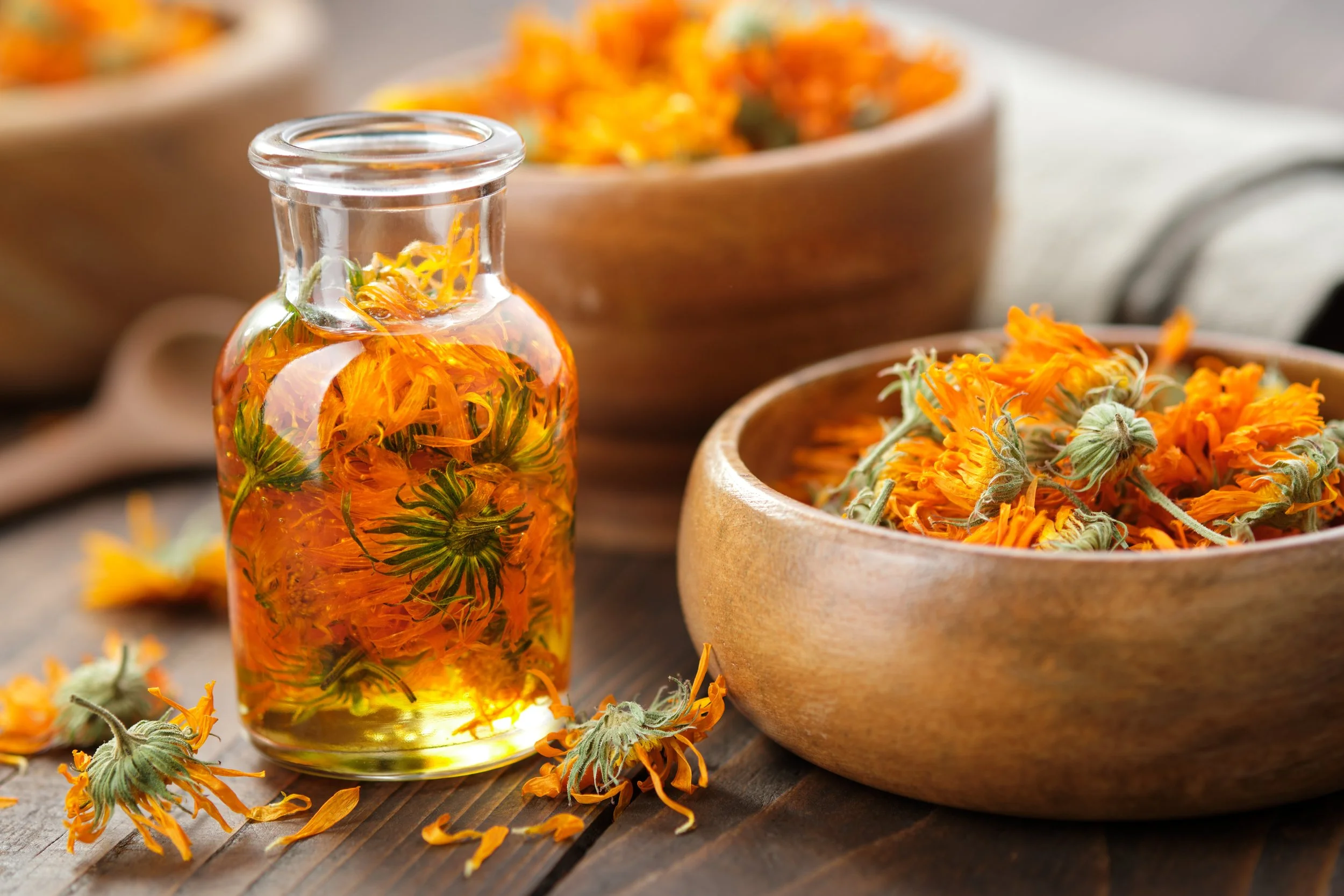
Our plant ally this month is Calendula, a sunshiney bloom with ancient roots and modern magic. Officially known as Calendula officinalis, she’s not the same as the marigolds in your flower beds, even though folks often mix them up. Calendula is her own medicine—an herb of healing, protection, and joy. She’s been a companion in my practice for years, especially when my skin or spirit needs a little extra love.

Calendula is beloved in herbalism for a reason. She’s anti-inflammatory, soothing, and gently powerful—used traditionally to heal wounds, ease eczema, calm sunburn, and bring balance to irritated or inflamed skin. Even her slightly bitter taste carries that signature plant wisdom, that grounding earth medicine. And yes, she works just as beautifully in tea, oils, tinctures, and spiritual baths.

One of my favorite ways to work with her? A bano—a ritual bath. I boil water with intention, prayers, maybe a little song, and dissolve Dead Sea salt and Epsom salt into it. Then I turn off the heat and add calendula petals (and sometimes other herbs, depending on the moment). Let it steep like tea for the soul. Once it cools, I strain it through cheesecloth and pour it over my head in the shower—or soak in it if I don’t mind the cool water. That temperature drop shocks the aura just enough to shake off the dust of the day and realign your field. It’s like a reset button. Calendula is especially beautiful for this kind of energy work. She helps clear, soothe, and bless.

Beyond the body, Calendula is pure solar magic. She’s tied to the sun and the element of fire but holds a gentler flame—one that heals instead of scorches. In witchcraft and folk magic, she’s long been used to ward off negativity and invite in love, luck, and protection. Hanging dried calendula above your door is an old tradition for keeping unwanted energy out. Her petals can be scattered in ritual circles, tucked into dream pillows, or used in spellwork for justice, healing, and clarity.

Calendula has that kind of “speak truth with warmth” energy. She teaches us to rise up like the sun and still remain soft. She’s about abundance—not just in finances (though yes, she’s a great ally for money magic and job success), but in attitude. In beauty. In resilience. If she’s blooming in your life, there’s a message there: keep creating the environment where joy can grow.

And if you want to grow her? Calendula is easy. She thrives in compost-rich soil and full sun but doesn’t like intense heat. She reseeds herself if you let her, which is the most Calendula thing ever—always showing up again, ready to heal, ready to brighten. Just keep deadheading the spent flowers to prolong her bloom time. The sticky resin at the base of the flower heads is part of her medicine, so don’t be afraid to get your fingers a little tacky.

You can eat her too—those golden petals can be sprinkled in salads, stirred into eggs, frozen into herbal ice cubes, or steeped into teas and butters. I remember once, in the deep heart of winter, an herbalist friend brought me a quiche speckled with calendula petals. It felt like sunshine on a fork.

Calendula reminds us that beauty is medicine. That healing can be soft. That even in hard seasons, we can bloom.

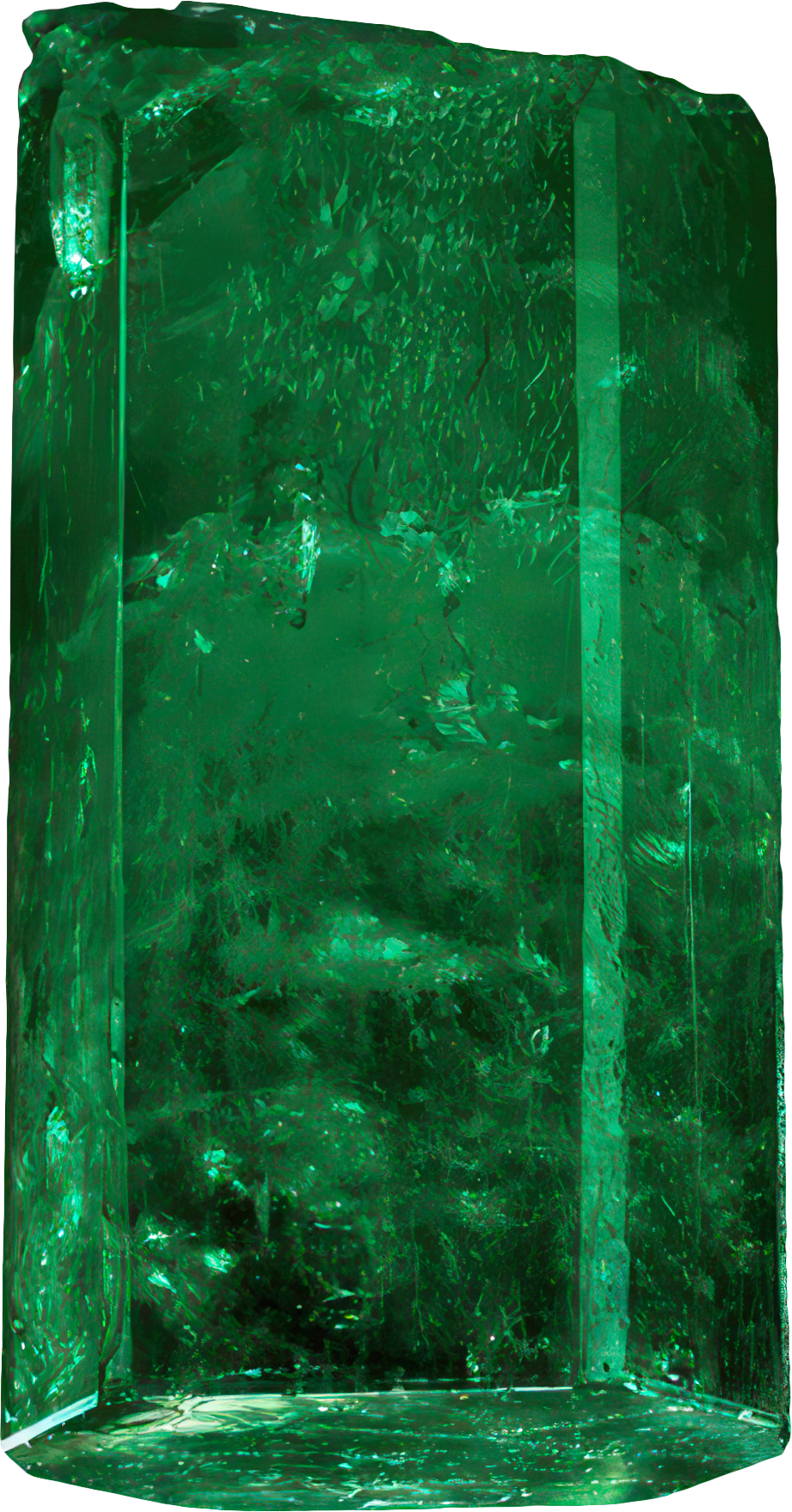
Emerald

So, what’s the deal with Emeralds? I mean, aside from being absolutely gorgeous, they’re packed with history, healing, and symbolism. St. Hildegard of Bingen (a badass medieval mystic who loved her crystals) once said, “All the green of nature is concentrated within the Emerald.” And honestly? That’s exactly how it feels when you hold one.

Emerald is a variety of Beryl (yes, the same mineral family that gives us Aquamarine and Morganite), and it’s been adored for literally thousands of years—like, it was sold in Babylon as early as 4000 BCE. Cleopatra was obsessed with it. The Incas worshipped it. The name even comes from a Sanskrit word that basically means “the green of growing things.” How poetic is that?

Known as the “Stone of Successful Love,” Emerald is all about heart energy. It opens up the Heart Chakra, bringing in love, compassion, and a little bit of domestic bliss. Whether you’re looking to deepen your relationships, attract a soulmate, or just feel more connected, Emerald’s got you.

But it’s not just a love stone. It’s also incredible for intuition and insight—especially anything connected to vision, both literal and metaphorical. People have long believed Emerald could sharpen the mind, enhance psychic abilities, and even help you see the future. It’s associated with wisdom, clarity, memory, and discernment. Basically, it’s the go-to if you need your heart and your head working together.

On the physical side, Emerald’s thought to be a rejuvenator. It's said to help with everything from eyesight and sinuses to the heart, liver, and spine. Some traditions even say it can aid fertility and recovery from illness. It’s that whole green, life-giving vibe—it just wants everything to grow and heal.

In terms of emotions, Emerald is like a soft hug for your soul. It’s said to soothe heartbreak, lift heavy energy, and help clear away old wounds—especially those that left you feeling powerless. It encourages you to live from your heart with trust, hope, and compassion—not just for others, but for yourself, too.

Spiritually, it connects you to Divine Love and abundance—not just money (though, yes please), but a kind of holistic, soul-deep abundance. It reminds you that there is always enough, and that the universe wants to support your joy.

Whether you’re wearing it, meditating with it, or placing it on your altar, Emerald helps bring balance, beauty, and emotional harmony. And hey, if you’ve got something creative or visionary you’re working on, this stone will happily sit by your side, cheering you on with ancient wisdom and good vibes.

In earth medicine Tags earth medicine, hummingbird, emerald, calendula, plant medicine, animal medicine, stone medicine
Comment

Earth Medicine of April

April 22, 2025 Angie Yingst

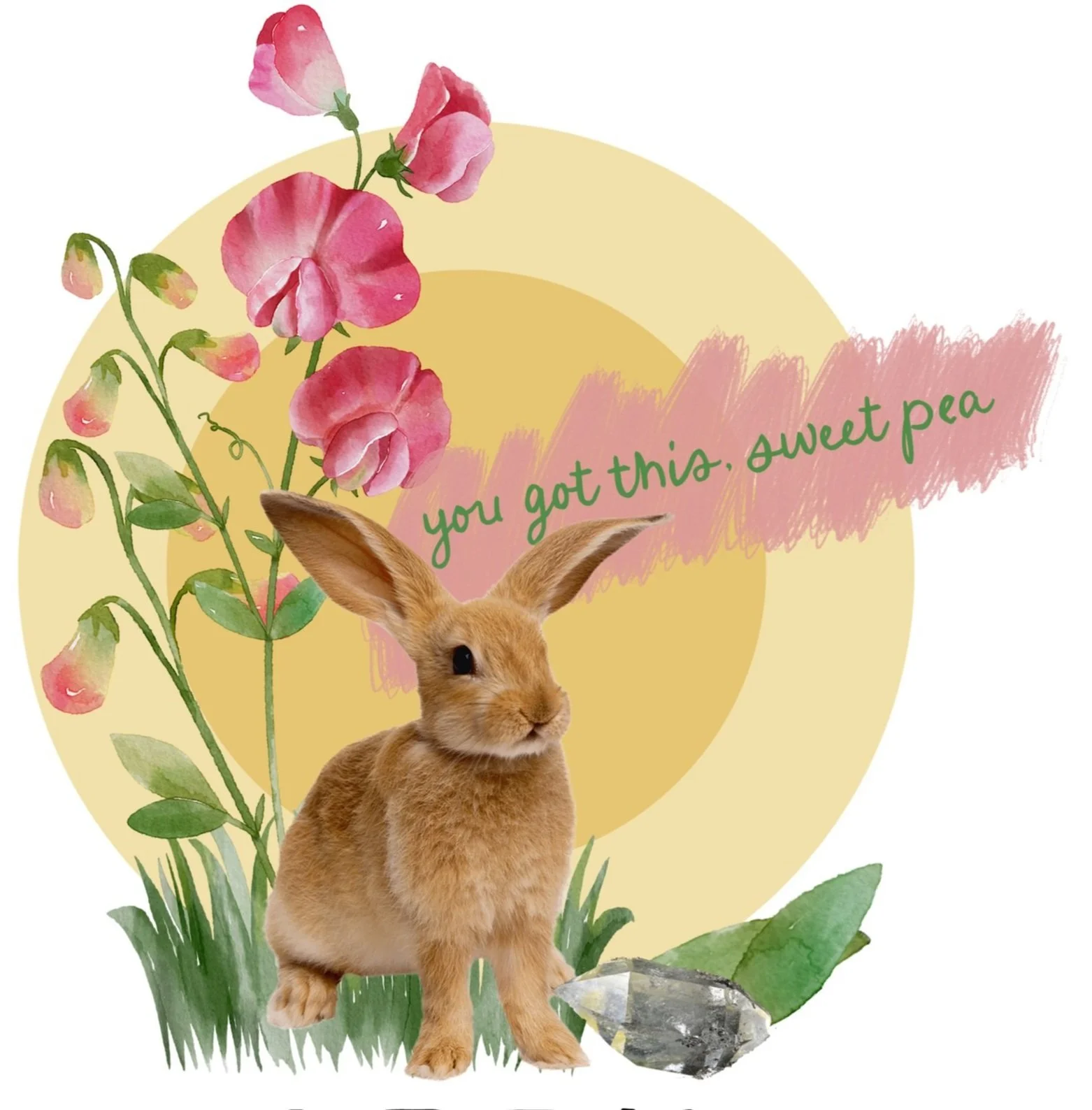
April’s medicine is gentle, sweet, Spring medicine—Rabbit, a prey animal, sweet pea flower, and Emerald, also the affirmation is you got this, sweet pea. A bit of Mothering from Mother Rabbit. Let’s talk about Sweet Pea first.

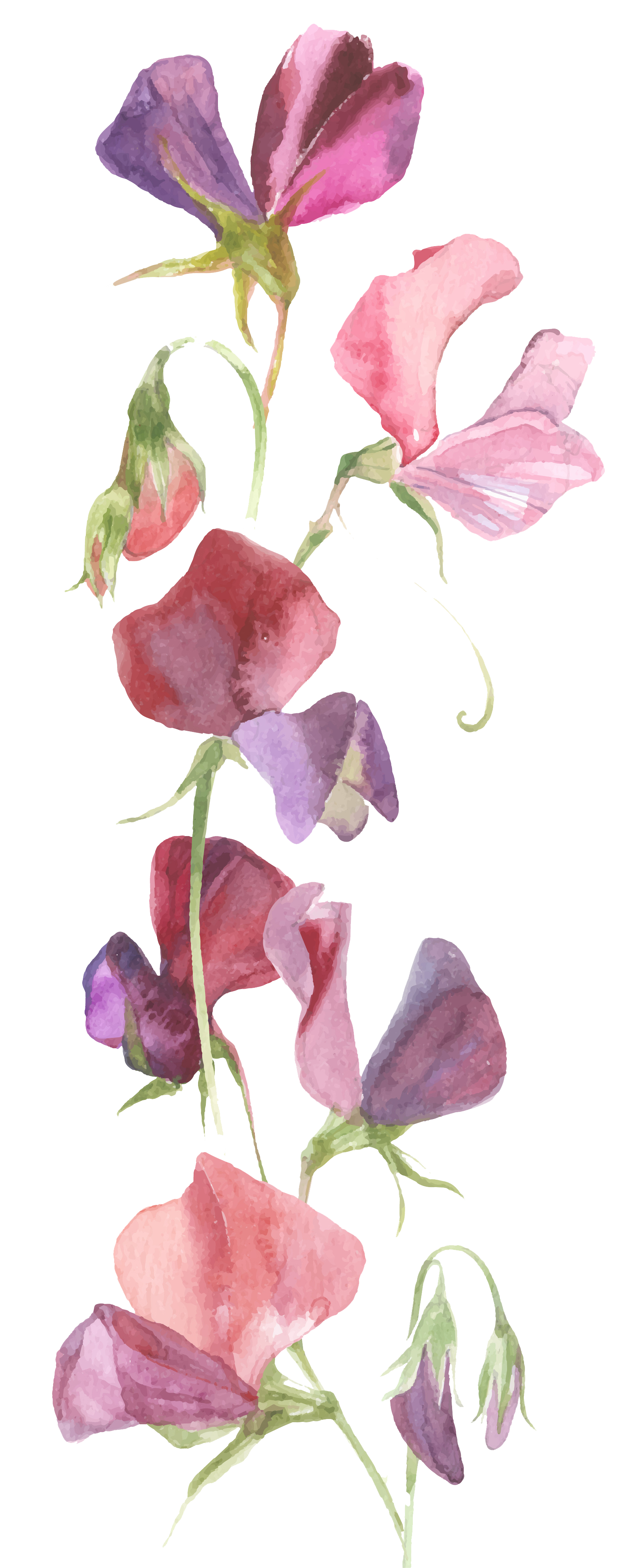
SWEET PEA

The sweet pea (Lathyrus odoratus) is an annual climbing ornamental garden plant in the legume family (Fabaceae) that is native to Italy and the Aegean region. It is similar in appearance to its pea-like relatives, but it is toxic. Sweet peas and rosary peas aren’t that closely related to garden peas, or even sugar snap peas. Sweet peas (Lathyrus odoratus) are grown for their flowers and have toxic seeds. Rosary peas (Abrus precatorius), as their name implies, are grown for beads and are fatal if ingested — if it’s thoroughly chewed, a single rosary pea is enough to kill an adult human. Garden, snow, and sugar snap peas are different cultivars of Pisum sativum, and are grown for their edible shoots, pods, and seeds. L. odoratus, A. precatorius, and P. sativum are members of the family Fabaceae, but so are plants like lupine, Scotch broom, and logwood trees. For this reason, it’s important to draw a distinction between folklore and magical uses of edible peas, versus sweet pea or rosary pea. The sweet pea is best known for its fragrance and is ornamental.

The Sweet Pea in History and Folklore

The sweet pea was developed in England from seeds received from Italy by Henry Eckford specifically for the garden trade during the Victorian era.

In the language of flowers, the sweet pea means “farewell and thank you for a lovely time”.

Symbolism of Sweet Pea

Sweet Pea is often associated with delicate beauty and is admired for its vibrant, fragrant flowers. It symbolizes charm, grace, and pleasure.

Victorian Flower Language

In the Victorian era, Sweet Pea was used to convey messages and sentiments through the language of flowers. Different colors and varieties were assigned specific meanings, such as blissful pleasure, gratitude, or tender memory

Sweet Pea has a long history of symbolizing nurturing and affectionate love. It is often associated with maternal love, friendship, and gentle emotions. Sweet Pea’s appearance during the spring season is seen as a symbol of new beginnings, renewal, and the arrival of warmer weather.

Growing Sweet Peas

Sweet peas are easy to grow in a sunny spot provided they don’t get too hot. They like to climb and look nice dressing up a fence.

Don’t try to eat these like peas. They are not edible and are moderately toxic.

Magical Correspondences

The sweet pea isn’t a very ancient plant, so it doesn’t have a lot of magical history behind it. However, its fragrance and airy nature correspond to the air element and its fragrance is said to inspire loyalty and affection.

Sweet Pea is believed to possess magical properties related to love and friendship. It can be used in spells or rituals to attract or enhance love, foster strong friendships, or bring harmony to relationships.

The enchanting beauty of the Sweet Pea is associated with enhancing personal charm, grace, and attractiveness. It can be used in glamour spells or rituals to amplify one’s natural beauty and magnetism.

Sweet Pea is thought to bring joy, happiness, and positive energy. It can be used in spells or rituals to uplift the mood, promote optimism, and attract happiness into one’s life.

Sweet Pea is believed to stimulate creativity and inspire artistic endeavors. It can be used as a magical tool to unlock artistic potential, overcome creative blocks, or enhance imaginative abilities.

Some practitioners associate Sweet Pea with protective energies and healing properties. It can be used in rituals or charms to provide spiritual protection, promote emotional well-being, or aid in healing processes.

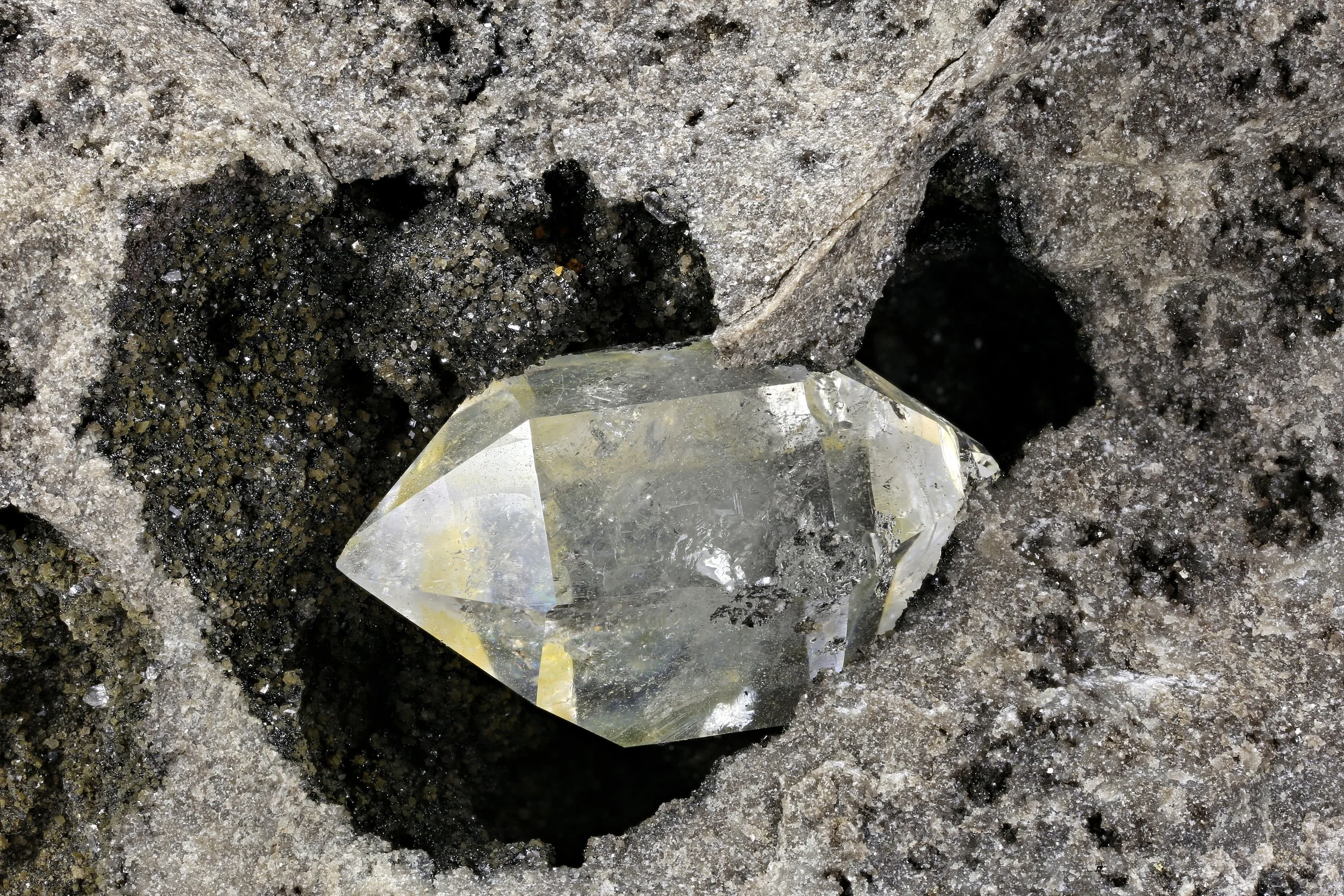
Herkimer Quartz “Diamonds”

Herkimer Quartz “Diamonds” are the high energy seekers of the crystal world. Unusually transparent with a brilliant sparkle, they manifest pure, solid Light and are powerful amplifiers of spiritual energy. As perfect conduits of the universal Life Force, they are exceptional healing crystals used in meditations, dream and vision work, and advanced spiritualization applications.

Herkimer Diamonds are the most powerful of all Quartz crystals. Being doubly terminated, they have the ability to not only transmit their energies but to receive spiritual energy and amplify and focus it intently. Â They are reportedly harder than all other Quartz, giving them the strength and durability to handle difficult challenges beyond the scope of other Quartz crystals. What they lack in physical size, they more than makeup for in spirit energy.

This mineral owes its name to Herkimer County, New York, USA, the principal place where it is found. The small, double-terminated crystals are short and stubby, formed in a hard rock matrix, giving them strength. They may be exceptionally clear and colorless or contain rainbow inclusions, air bubbles, or black carbon deposits. A small percentage of these crystals contain enhydro inclusions of water. Some are smoky rather than clear, and similar-looking crystals have been found at other sites but generally do not have the same hardness or high gloss of genuine Herkimer Diamonds.

Herkimer Diamond is a great ally for dreams, visioning, purification, and spiritualizing a physical life. Herkimers help bridge to the transpersonal chakras, stimulating the third eye and crown and then bridging to those upper chakras in meditation. They are healers of the auric field and are particularly useful for clearing blockages and energy fogginess. dreams, visioning, purification, and spiritualization of a physical life. It helps bridge to the transpersonal chakras, stimulating the third eye and crown and then bridging to those upper chakras in meditation. They are healers of the auric field and are particularly useful for clearing blockages and energy fogginess.

Herkimer Diamond is an “attunement stone,” useful for attuning to another person, group, or environment. It is particularly beneficial to use before the “laying-on-of-stones” or other healing situations when the practitioner and subject are not well acquainted. It is an exceptional crystal for linking people who have to be apart. For attunement, the Herkimers should be held simultaneously as one at first, then upon parting, each person should retain one of the stones; or, a cluster may remain at one location while an individual carries a portion of that cluster on his person to connect with the energy of a group or environment.

Herkimer crystal is also valuable in its ability to receive and magnify the influence of other stones. It expands a small or soft energy stone, giving it the strength and effects of a much larger stone. Herkimer Diamonds have a crystal memory, accepting and retaining information that can be retrieved later. They may also be programmed with love, well-being, or healing thoughts for others to draw on.

The Herkimer Diamond is extremely useful in healing environments where its clarity, brilliance, and high frequency facilitate the removal of energy blocks or debris and stimulate healing by increasing the amount of Light energy the body can utilize. It is an exceptionally strong crystal for clearing electromagnetic pollution, radioactivity, and geopathic stress and makes an excellent environmental spray or gem elixir. Larger Herkimer, even cloudy, included ones, may be used to grid a home, healing space, or bed.

Herkimer is a good crystal for spirituality and alternative therapies teachers. As a power stone in the workplace, it brings positive attention and prosperity through high achievement, assists with research and study as it stores knowledge, and stabilizes company finances.

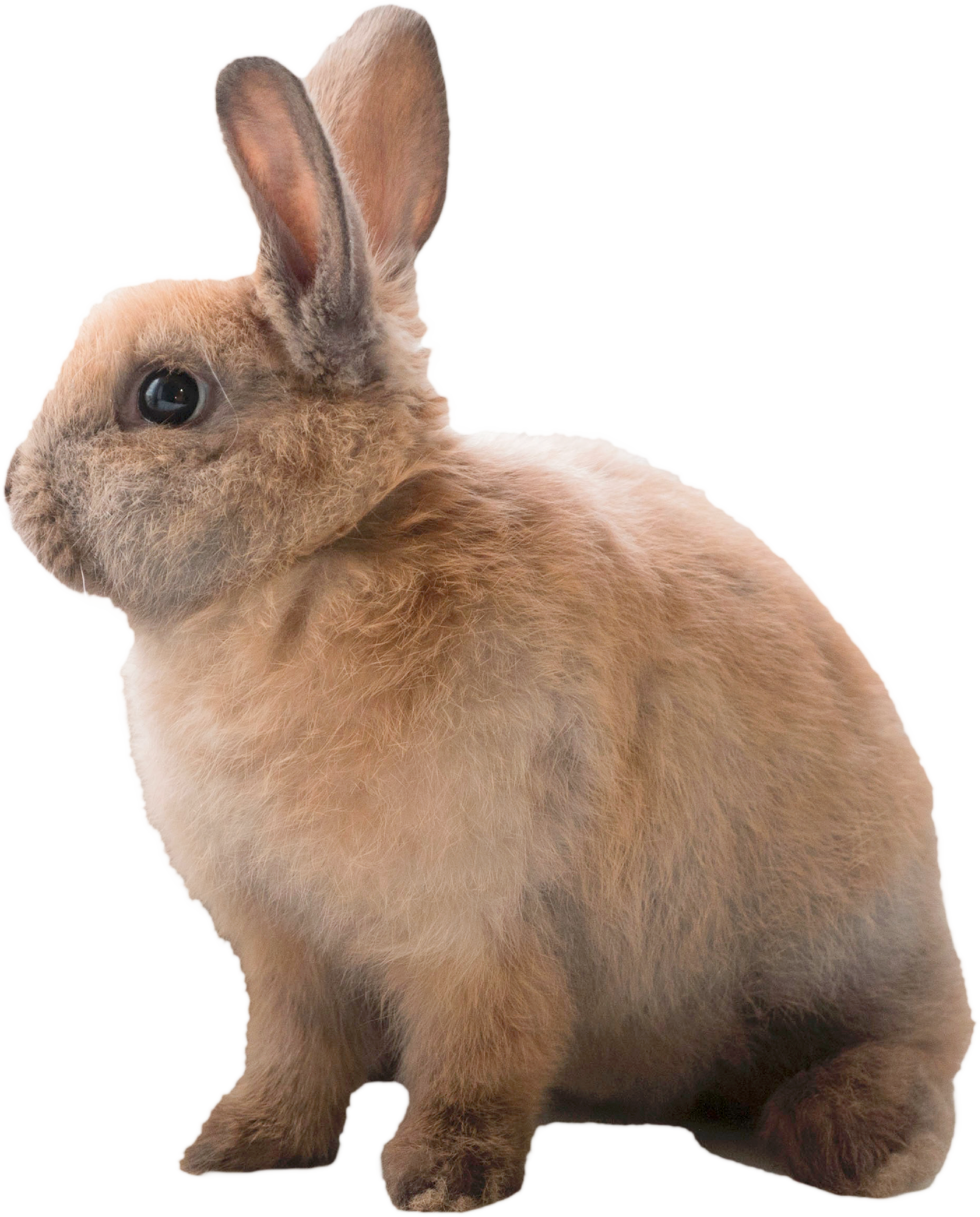
Rabbit Medicine

Courageous, Innocent Rabbit existing in the wild is a lesson on resilience, intuition, magick, creativity and fertility. Rabbit symbolism is also evident in various spiritual and religious practices. In Christianity, rabbits represent rebirth and resurrection, particularly during Easter celebrations. The rabbit's ability to reproduce quickly also signifies fertility and new life. In Buddhism, rabbits symbolize humility, kindness, and compassion. The story of the selfless rabbit who offered his body as food to a hungry traveler is a popular Buddhist tale highlighting the virtues of generosity and selflessness.

In Earth-based spirituality, rabbits are associated with the moon and are believed to possess magical powers. The rabbit's ability to burrow into the earth symbolizes its connection to the spiritual world. In Shamanism, rabbits represent intuition, fertility, and transformation. The rabbit's ability to navigate the underground tunnels signifies the journey into the unknown and discovering hidden truths.

East Asian and indigenous American folklore, based on pareidolic interpretations that identify the dark markings on the near side of the Moon as a rabbit or hare. Legends of Moon rabbits also exist among some indigenous cultures of North and Central America.

The Maya moon goddess frequently is depicted holding a rabbit In Mayan art, glyphs, hieroglyphics, and inscriptions, a rabbit frequently is shown with the Moon Goddess and another deity related to the Moon.

According to an Aztec legend, the god Quetzalcoatl, then living on Earth as a human, started on a journey and, after walking for a long time, became hungry and tired. With no food or water around, he thought he would die. Then a rabbit grazing nearby offered herself as food to save his life. Quetzalcoatl, moved by the rabbit's noble offering, elevated her to the Moon, then lowered her back to Earth and told her, "You may be just a rabbit, but everyone will remember you; there is your image in light, for all people and for all times."

In Canada and the United States, a Cree cultural legend tells a different story, about a young rabbit who wished to ride the Moon. Only the crane was willing to take him there. The trip stretched the crane's legs as the heavy rabbit held them tightly, leaving them elongated as the legs of all cranes are now. When they reached the Moon, the rabbit touched the crane's head with a bleeding paw, leaving the red mark cranes wear to this day. According to the legend, on clear nights, Rabbit still may be seen riding the Moon.

With my teacher Pixie Lighthorse, I was taught to work with Rabbit for creativity, art and vulnerability. Working with Sister Rabbit means setting ourselves up for creation, prolifically discovering our whys. What are our guiding lights? What values and motivations underlie our process—creative or joy-seeking.

Rabbit is a prey animal, but do not underestimate the power of wild Rabbit. Though she is a vegetarian and a prey animal, she is not to be undervalued. She is often the totem of children, for she reminds them of themselves. She is soft, vulnerable, and can be tamed as a pet in some cases. But she is to be respected as a feral creature: protective of her young and her warren, an excellent provider, and instinctual Mother.

One of the gifts of rabbit is her hypervigilance and she can be a true guide for those of us with trauma, childhood wounds and healing the inner child, because she is always hyperalert, aware, anxious. So, she is also a great ally for those of us who deal with nervousness. Rabbit is known for speed, and her alertness is paramount to her survival. She relies on her senses of smell and eyesight to keep she and her “kittens” safe. She knows where safety is, and always has a plan to get back to it if she has found herself too vulnerable. The beauty of Rabbit is that she never stays in her hidey-hole longer than needed. As soon as real threat has passed, she's back out in the open again. She does not isolate out of fear,  but maintains calm awareness at all times. Her survival is not linked to her ability to get underground fast, but to her willingness to continue showing up vulnerable in the open grassy meadows where the sweetest nourishment awaits.

A Rabbit doe creates up to eight litters a year, along with the support of her buck, suggesting that she paces herself for creation in a way that we can heed. In order for her to do her job with efficiency, she must accept that she is as fertile as she chooses to be. For us humans, we're able to learn from Rabbit by pacing ourselves for the good work we do. For some of us that looks like a daily practice, or showing up in public spaces a few times per year. We get to choose! And once we do, we can make a deep commitment to ourselves and our craft.

Rabbit inspires a fire in the belly for creation, and quite literally, in the sacral chakra, which governs the reproductive organs and systems, and vibrates to the color orange when in active health.

Creativity lifts us out of stale routines, breathes new life into old life stories, and teaches us how to catch flame from our dormant state of being. It is required for all of life to exist, and places us squarely in the position of START again and again.

In earth medicine, animal medicine Tags rabbit medicine, sweet pea, herkimer diamond, earth medicine
Comment

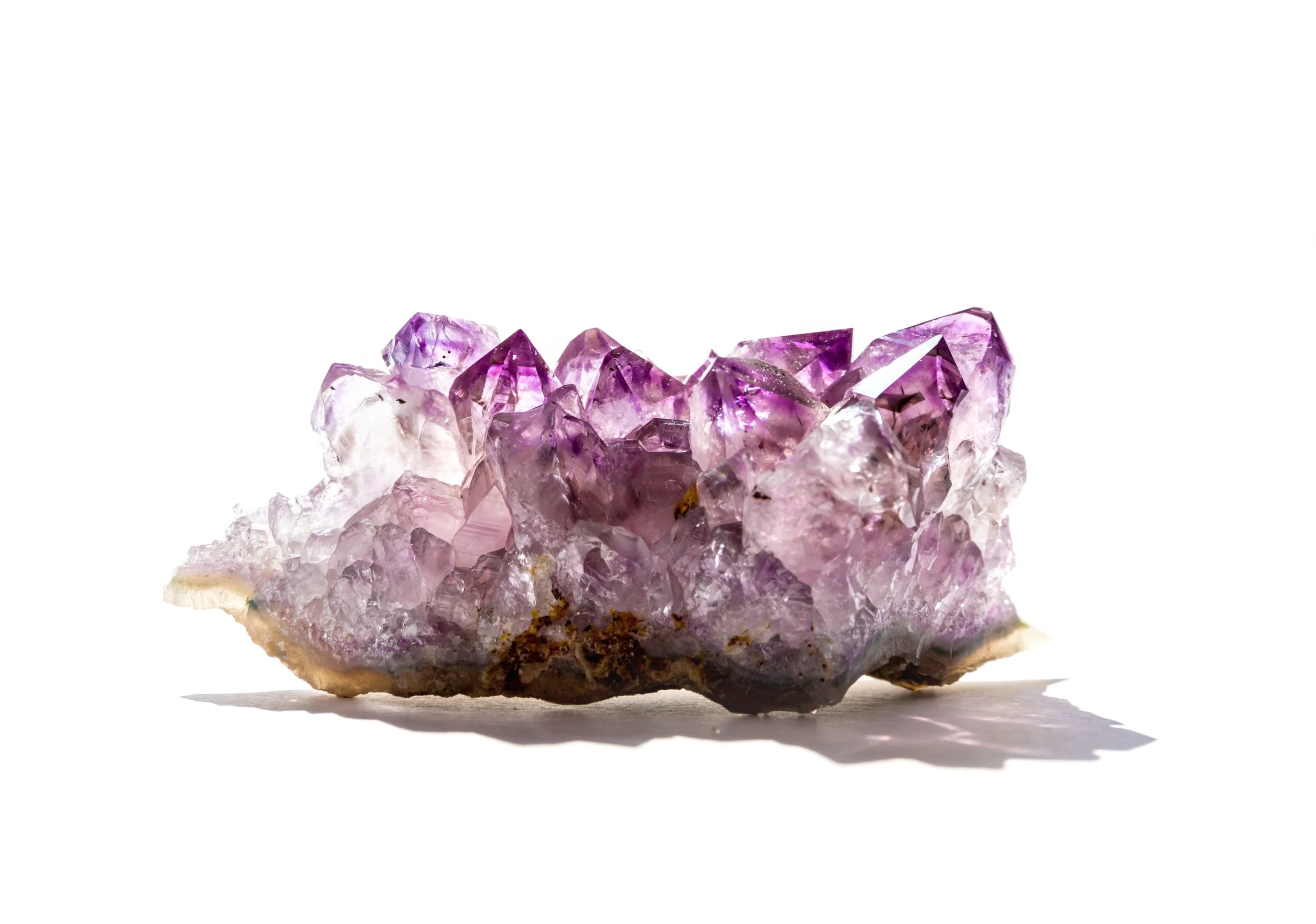
amethyst: the stone of protection and opening

February 24, 2025 Angie Yingst

As I began exploring stones and crystals on my blog, one of the first crystals I covered was Amethyst. So, here are my thoughts now, and then: It is kind of interesting to see how I have evolved in the 11 years since this was first published.

From Baby Angie:

Amethyst draws you in with its beautiful color, which ranges from pale lavender to a deep purple. And a deep deep purple that appears almost black. There is a type of amethyst called chevron amethyst, which is banded in a chevron pattern. Gorgeousness. It has a Moh's hardness of 7 and is indeed a member of the quartz family, making it resonate beautifully with other quartz stones like citrine, clear quartz, smoky quartz, aventurine, chalcedony, agates, carnelian, among others. Amethyst, like malachite and lapis lazuli, has a rich history and mythology. It is said to be in the ninth stone on the breastplate of the high priest of Israel. And amethyst was one of the stones where each of the twelve tribes were written. In medieval times, soldiers wore it as protection on the battle field. As far back as the Neolithic era, 25,000 BCE, amethyst was found in archaeological digs as part of gravesites and ritual. Through the Common Era, amethyst was seen as a stone of royalty, and used in crowns and rings of Kings and Queens.

Amethyst's name is derived from the Greek word for drunk (methustos). Actually, amethyst is a translation of amethustos, or not drunken. The Ancient Greek wore amethyst, and made wine glasses from amethyst, because they believed amethyst prevented intoxication. Indeed, amethyst today is considered the stone of sobriety, worn to help balance the mind, and bring clarity. It also emits calming energy, which helps relieve the frustration that often brings the first drink. I am personally working on a list of stones to be used with each of the Twelve Steps and the virtues associated with each step. I think amethyst is a beautiful first step stone, and one that works well with each stage of recovery.

The belief of amethyst's power of sobriety may stem from the myth of Amethyst in Ancient Greek Mythology, which may or may not have first derived from the French poet, Remy Belleau, who wrote often about crystals and precious stones. I can't find any documentation besides Wiki either way, so I am just sharing the entire mythology part of from Wikipedia page on amethyst.

In his poem "L'Amethyste, ou les Amours de Bacchus et d'Amethyste" (Amethyst or the loves of Bacchus and Amethyste), the French poet Remy Belleau (1528–1577) invented a myth in which Bacchus, the god of intoxication, of wine, and grapes was pursuing a maiden named Amethyste, who refused his affections. Amethyste prayed to the gods to remain chaste, a prayer which the chaste goddess Diana answered, transforming her into a white stone. Humbled by Amethyste's desire to remain chaste, Bacchus poured wine over the stone as an offering, dyeing the crystals purple.[16][17]

Variations of the story include that Dionysus had been insulted by a mortal and swore to slay the next mortal who crossed his path, creating fierce tigers to carry out his wrath. The mortal turned out to be a beautiful young woman, Amethystos, who was on her way to pay tribute to Artemis. Her life was spared by Artemis, who transformed the maiden into a statue of pure crystalline quartz to protect her from the brutal claws. Dionysus wept tears of wine in remorse for his action at the sight of the beautiful statue. The god's tears then stained the quartz purple.[18]

This myth and its variations are not found in classical sources. Although the titan Rhea does present Dionysus with an amethyst stone to preserve the wine-drinker's sanity in historical text.[19]

Because of its association as an anti-intoxicant, in medieval times, it was said to also prevent the intoxication of love, so priests and monks often wore amethyst as a symbol for their vows of chastity. It has strong spiritual roots. Even Buddhists in Tibet used amethyst in prayer beads and carvings.

This makes perfect sense to me, because amethyst is a beautiful meditation ally, because it resonates and stimulates the crown chakra, as well as the third eye. It is also an incredibly protective stone, and I encourage people to use it in their toolkit of protection right alongside black tourmaline, onyx, smoky quartz, and other stones. It enhances your intuitive abilities and helps you activate your Higher Self. It is wonderful in environments, and works well in grids for protection and transmuting energy. Or just sitting in a room that you want purified and high vibrational. So, a large cluster of amethyst is a great addition to any room, but particularly a room for healers. It helps shield energy, as well as assist healing. One of the most beautiful aspects of amethyst is how it gently helps you see the root of your dis-ease. Naisha Ahsian says that amethyst assists "in eliminating emotion-based decision-making, allowing one to take actions based on higher guidance and spiritual understanding." WOWEE!

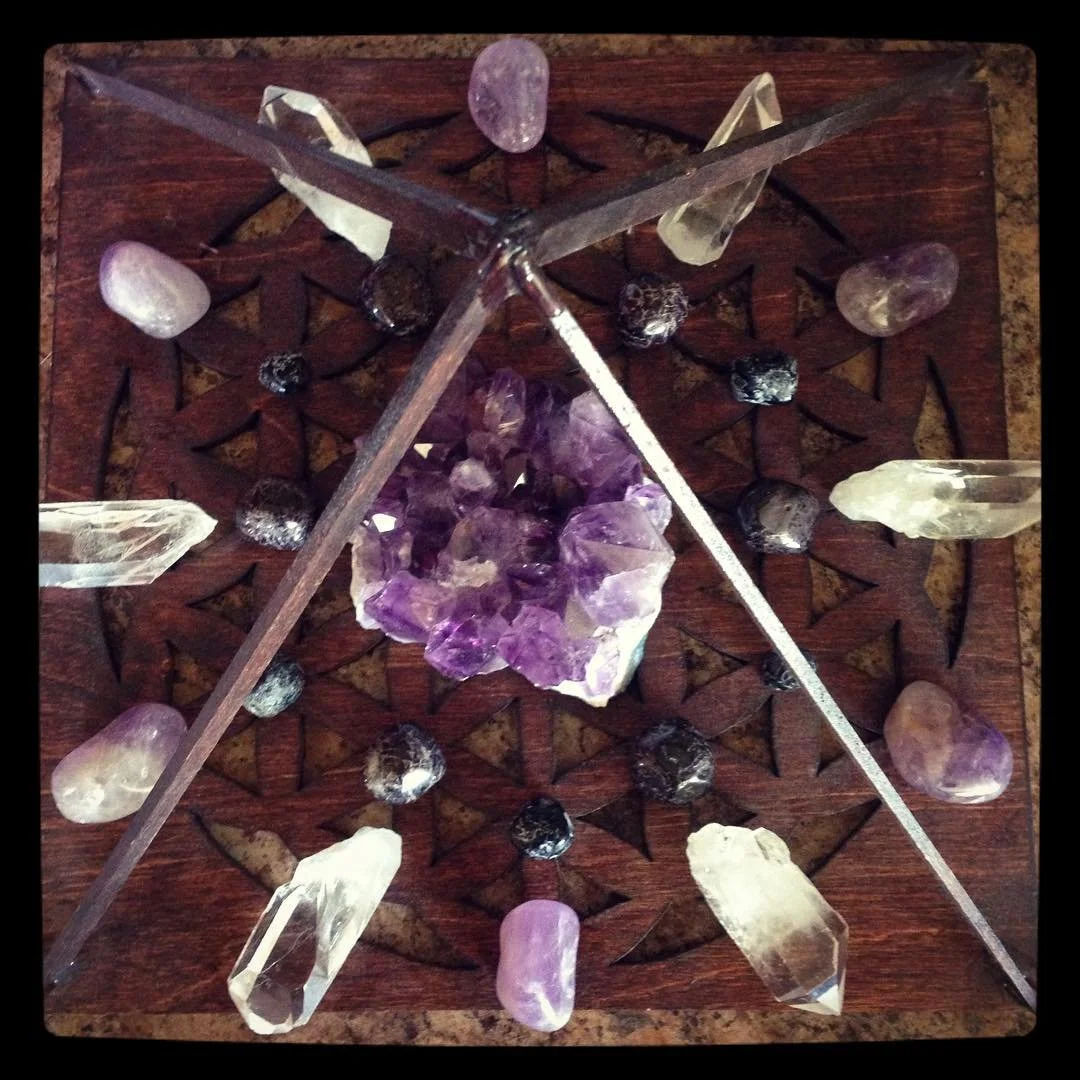
Amethyst works well with other stones. Amethyst works beautifully in grids for addiction, protection, healing, health, disease, emotional balance and a whole host of other things. I personally love using amethyst in grid with black tourmaline as a protector, purifier, and transmuter of negative energy.

Because it works so hard for you, work hard for you amethyst by re-tuning it fairly often with a tuning fork, singing bowl or other resonator. Amethyst is particularly sensitive to sunlight, so be kind to her and help amethyst keep its beautiful color by keeping her out of sunlight. Amethyst is able to withstand water, so cleanse her through running water of the ocean, a stream or other natural body of water, and of course, you can set amethyst out in full moon light to soak up all that wisdom.

A beautiful affirmation for amethyst comes from Naisha Ahsian's work in Book of Stones.

I am purified, uplifted and protected through my connection to the Divine.

Okay, Modern Angelica Yingst, aged warrior of the Earth Medicine:

I agree with all Baby Angie said. Amethyst is the jack of all trades crystal. One of the most abundant on earth. Amethyst is a purple Quartz crystal with colors that range from light lavender to dark almost black purple. It is one of the most prevalent and recognizable crystals out there. The name derives from the Greek for Drunk (Methustos). Amethyst actually means Not Drunk. The Ancient Greeks took this a step further by making wine goblets of Amethyst to help them not feel as intoxicated while drinking from it. Today, Amethyst is considered the stone of Sobriety, and it helps with clarity,

Amethyst probably remains the most popular, easily obtained and effective crystal for crown and third eye work. Amethyst, like malachite and lapis lazuli, has a rich history and mythology. Amethyst is a beautiful meditation ally, because it resonates and stimulates the crown chakra, as well as the third eye. It is also an incredibly protective stone, and I encourage people to use it in their toolkit of protection right alongside black tourmaline, onyx, smoky quartz, and other black stones. It enhances your intuitive abilities and helps you activate your Higher Self. It is wonderful in environments and works well in grids for protection and transmuting energy. Or just sitting in a room that you want purified and high vibrational. So, a large cluster of amethyst is a great addition to any room, but particularly a room for healers. It helps shield energy, as well as assist healing. One of the most beautiful aspects of amethyst is how it gently helps you see the root of your dis-ease. I also find it really useful for honesty with oneself. It is wonderful for sleep and dream work, working with anxiety and depression, overcoming addiction and working with panic attacks and trauma. Holding an amethyst in each hand can bring energy down and calm an individual in the midst of a panic attack.

I personally use Amethyst a lot for trauma work with clients, holding space for healing old wounds—generational, karmic and whatnot. It is a beautiful ally and it is a goto for so many of us. I am particularly fond of elestial amethyst or elestial smoky amethyst for shamanic work…and I love the scepters if you can find them.


In earth medicine Tags crystals, crystal medicine, stone medicine, earth medicine
Comment

Violet

February 23, 2025 Angie Yingst

There is nothing like walking into my yard on a Spring afternoon to violets covering the yard, peeking through the growing green grass. It fills me with so much pleasure to see the early blooms which we do sometimes get as early as March, but more often in April. It gives me hope that the cold, gray weather is coming to an end.

The Common Blue Violet (Viola sororia) is native to central and eastern North America. These little beauties begin sprouting up in lawns, along the roadside, within sidewalk cracks, and beside forest paths in late March/Early April. There is a variation (cultivar) that is white with purple streaks that will grow alongside the typical purple/blue. And the leaves and blossoms of the Common Blue Violet are edible.

Identification

There are many species of violet. In addition to Viola sororia, there is Viola oderata, (Sweet Violets). You can identify these by their light sweet scent. However, it is most likely the flowers growing in your yard are the Common Blue variety. But whether you are foraging from your yard or at another location, it is always good to know how to identify the plant so you are 100% sure before you use them.

Common Blue Violets have a basal rosette (a crown of leaves radiating from a stem) of toothed, heart-shaped leaves, and drooping flowers with five petals that do not produce seeds. The blossoms are blue, purple, and white.

There is a yellow variety that some people might come across when foraging. It is important to note that Common Violet does have a look-alike that is poisonous. Ficaria verna, also known as lesser Celandine or Pilewort. While the yellow flower of this plant looks different from the yellow violet, the basal leaves are very similar. So, if you are foraging and you come across leaves you believe are violets, wait until the flowers bloom to be certain of their identification.

These wildflowers are often called “weeds” but to me, they are wonderful forageable medicine. Violets have a wide variety of uses as food, medicine, and magick.

According to Greek mythology, the god Zeus fell in love with a priestess named Io. This wasn’t the first time for the philandering Zeus, so when his wife Hera found out, she was understandably miffed. To keep Io out of his wife’s way, Zeus turned her into a white heifer. When Io-the-heifer complained that she had nothing to eat, he created a field of violets for her—and while he was at it, he probably sent a bunch of violets to Hera, as an apology. The flowers soothed the jealous goddess, so the Greeks began using them to calm anger and induce sleep.

In the Middle Ages, Hildegard von Bingen used violet juice as the basis for a cancer salve. In the sixteenth century, violets were widely used to treat insomnia, epilepsy, pleurisy, and rheumatism. A couple of hundred years later, Nicholas Culpeper wrote that the plant was ruled by the planet Venus. This made it a natural as a treatment for throat ailments, since Venus also ruled the throat. They are, he said, “a fine, pleasing plant of Venus.”

In fact, violet leaves and stems do contain a soothing mucilage, as well as salicylic acid, the precursor of aspirin. They’re also rich in vitamins A and C, and for people who didn’t have access to fresh veggies in the winter, an early spring salad of violet leaves was a very good idea. The flowers themselves taste sweet, and they’re often made into syrup or even marmalade. You may have seen them in popular cookbooks, candied or crystalized and used to decorate pastries or cakes.

Violets have been associated with many magical properties, including protection, love, and fertility. They have also been used in aromatherapy and as a remedy for various ailments.

Protection

  • Violets are thought to keep evil spirits away and protect against nightmares.

  • African violets are believed to bring good fortune and create a harmonious atmosphere.

  • In medieval times, violets were grown in monastery gardens to protect against evil.

Love and fertility

  • In ancient Greece, violets were a symbol of love and fertility.

  • They were used in love potions and to make violet-flavored wine.

Aromatherapy

  • Violet oil can be used as an anointing oil for magical workings.

  • It can also be used to treat skin conditions like acne, eczema, and dermatitis.

  • Violet oil can also be used to stimulate circulation and aid rheumatism.

Medicinal

  • Violets have been used to treat respiratory infections, swellings, and bruises.

  • They have also been used as a demulcent, anti-inflammatory, and expectorant.

There are a number of ways to use violets. They are a soothing herb with a gelatinous (mucilaginous) consistency. Violets have antioxidant properties which means they are a great source of Vitamins C and A. They are also anti-inflammatory which means they can support the body when dealing with discomfort, pain, swelling, etc.

Violets are helpful for coughs and sore throats due to colds, flu, and allergies by infusing them into a tincture, syrup, etc. They can be used topically in infused oil, balm, or lotion for rashes and other skin irritations, eczema, dry skin, bug bites, and varicose veins.

Violet is also said to be helpful for headaches, to calm nerves, ease emotions, and aid in achieving restful sleep when enjoyed as a soothing cup of tea.

Violet Blossom Infusion (Herbal Tea)

  • 1 Cup of Boiling Water

  • 2-3 Tsp Violet Blossoms (fresh or dry)

Pour the water over the flowers. Allow the violets to steep for 5-10 minutes. Strain and enjoy.

Violet Leaf Oil Infusion

  • 1 cup Coconut Oil

  • 1 Cup Violet Leaves

  • 1/2 Cup Violet Blossoms

  • Clean, dry lidded canning jar

Fill the canning jar with the leaves and flowers. Pour the coconut oil over the plant material until covered to just above (add more oil if necessary). Put the lid onto the jar. Give a gentle twist, shake to stir the oil and violets. Place in a sunny spot for two weeks. Strain the flowers and leaves. Use topically as needed.

Since these little flowers are high in vitamins, they make a great addition to salads or nourishing soups. Violets make an attractive decoration for cakes, cupcakes, and cookies. Or, you can use them in a baked recipe such as muffins. You can make a simple syrup with violets to add to lemonade or iced tea. Here is an easy recipe:

Violet Simple Syrup

  • 1 cup Sugar

  • 1 cup water

  • 1/2 – 1 cup violet blossoms (stems removed) loosely packed in a lidded canning jar.

Bring water to boil in a small saucepan.

Pour the hot water over the blossoms.

Leave the flowers to steep for several hours.

Strain flowers from water into a double boiler.

Heat over low temperature and add sugar.

Stir until the sugar is dissolved.

Pour into a lidded glass jar.

Keep in the refrigerator until used.

Violets in Magick

Tiny though they may be, these flowers are powerful aids in magickal workings. They are useful for spiritual growth, protection, healing, faithfulness, love, and glamour. They are also associated with psychic abilities, dreams, and visions.

Violet is associated with tranquility and peace. The leaf offers protection from evil, and can be sewn into a pillow or sachet for a new baby. Carry the petals with you to bring about luck and enhance nighttime magic.

These pretty purple flowers are everywhere in the spring and early summer, so it’s a perfect opportunity to do a bit of flower magic.

  • Dry the flowers in the sun, and use them in an incense blend to bring about sweet dreams and restful sleep. You may even want to sew them into a pillow to help bring about good vibes as you snooze.

  • Take a square of plain muslin or cotton, and place a bundle of freshly picked violets in it. Tie the square shut and hang it over the faucet in your bathtub.

  • Run hot water, and allow the steam to spread the deliciously sweet scent of violets. Use this as a relaxing, cleansing bath prior to doing rituals or spellwork.

  • The violet is also associated with dedication and loyalty. If you want your lover to be constant and true, offer a bundle of violets as a gift, or plant a patch in front of the person’s home!

In addition to being magical, violets are one of the many edible plants you may find in the wild or in your garden. Violets can be candied–it’s time consuming, but the end result is lovely–or brewed into a water, a vinegar, or even a tea.

  • Wear violet in a small muslin bag as an amulet of protection.

  • Place them beneath your pillow for dreams and visions.

  • Allow them to grow near your door to ward off evil.

  • Drop the blossoms in a ritual bath for healing.

As you can see, there is a multitude of ways that Common Violets can aid you in your life. And it is easy to come across them. Ask these lovely plants to aid you as a spirit ally, then see where your intuition and creativity take you.

In earth medicine Tags earth medicine, violet, plant medicine
Comment

4814 Jonestown Road, Lower Level, Harrisburg, PA 17109

POWERED BY SQUARESPACE.